Woeken and the New Language of Online Expression
Introduction
Language changes faster than most people realize. A word can appear in a small online discussion, spread through communities within weeks, and eventually become part of broader conversations across blogs, forums, and social platforms. The term “woeken” belongs to this modern category of evolving internet expressions. Although it is still considered an emerging term without a fully fixed dictionary definition, its growing use online has sparked curiosity among readers, writers, and internet communities who want to understand what it represents.
What makes woeken particularly interesting is that it does not fit neatly into a single category. Some people use it to describe intense concentration and focused effort. Others treat it as a creative online expression connected to productivity culture, internet identity, or modern communication trends. Because the meaning continues to evolve, woeken has become an example of how internet language develops naturally through community usage rather than formal linguistic rules.
In recent years, online culture has rewarded words that are short, memorable, emotionally flexible, and adaptable across different contexts. Woeken fits this pattern perfectly. It sounds modern, carries an unusual rhythm, and feels open enough to allow multiple interpretations. This flexibility is one reason the term has attracted attention. People are not only interested in what woeken means but also in why words like it emerge and gain recognition so quickly.
Understanding woeken requires looking beyond a simple definition. The term reflects changing communication habits, the influence of internet communities, and the human tendency to create new forms of expression when existing language no longer feels sufficient. While the word may still be developing, its growing presence reveals important insights about how modern communication works.
What Is woeken
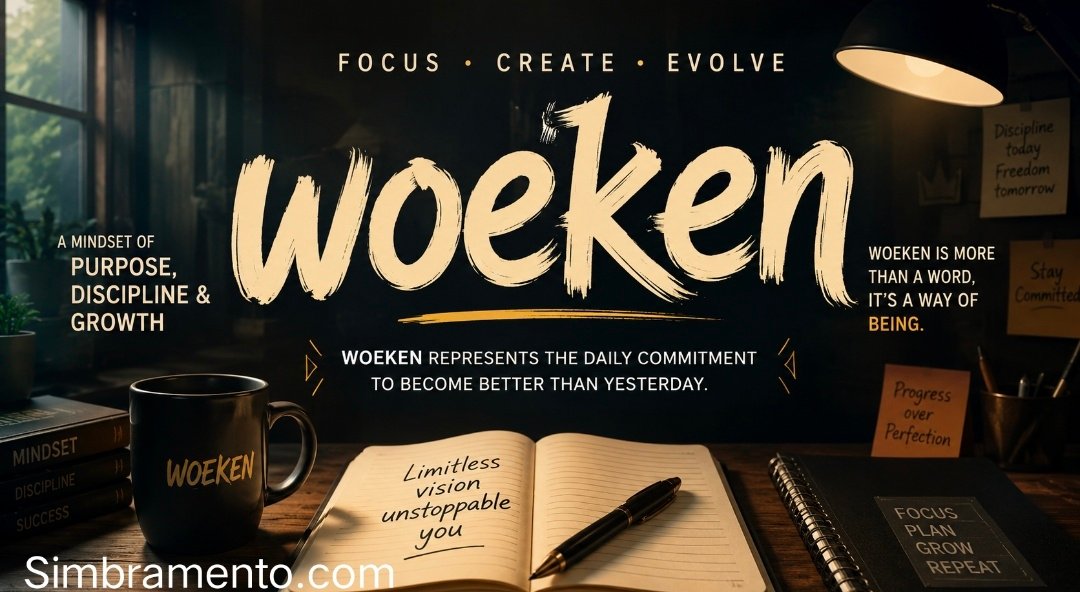
Woeken is an emerging internet term commonly associated with focus, intentional effort, creative expression, and evolving online culture. Unlike traditional dictionary words with strict definitions, woeken functions more like a flexible concept whose meaning depends heavily on context. In some conversations, it describes a state of deep concentration where a person becomes fully immersed in work, study, or creative activity. In other situations, woeken appears as playful internet slang used to communicate mood, identity, or participation in a shared online culture.
READ MORE: wasatha and the Art of Balance in Modern Islamic Life
One reason woeken attracts attention is because it feels familiar while still remaining unique. Its structure resembles certain European language patterns, particularly Dutch and Germanic phonetics, which gives it an authentic sound despite its uncertain origins. This linguistic familiarity allows readers to accept the word quickly, even if they have never encountered it before.
Another important aspect of woeken is its adaptability. Many modern online terms survive because they can serve multiple purposes at once. Woeken can describe productivity, mindset, internet culture, or even branding. Some creators use it as a stylistic identity for projects or online spaces because the word sounds distinctive and memorable. Others use it casually in conversations to suggest intense focus or immersion in a task.
The absence of a rigid definition is not a weakness. In fact, that openness may be the reason the term continues spreading. Online communities often prefer words that allow interpretation rather than strict limitations. Woeken represents this modern style of language development where meaning evolves through repeated use rather than official approval.
The Possible Origins of woeken
The exact origin of woeken remains uncertain, and that uncertainty has become part of the term’s appeal. Unlike words with clearly documented histories, woeken appears to have emerged gradually across online spaces without a single identifiable creator. This pattern is increasingly common in internet culture, where expressions can spread through repeated informal use before anyone attempts to define them.
Some observers believe woeken may have evolved from variations of existing words such as “woken,” “woven,” or “working.” Others suggest it may have originated as a stylized expression intentionally designed to sound modern and adaptable. There are also theories that the word draws influence from Dutch or German language structures because of its phonetic style.
What matters more than its exact origin, however, is the environment that allowed woeken to grow. Modern internet culture encourages experimentation with language. Users regularly combine sounds, abbreviate expressions, alter spellings, and invent entirely new terms to create identity or communicate emotions more effectively. In these environments, originality often matters more than grammatical tradition.
The rise of woeken also reflects a larger trend in online communication where communities shape language collectively. Instead of waiting for institutions to define meaning, internet users create their own interpretations and allow usage patterns to determine significance over time. This process makes terms like woeken feel organic rather than manufactured.
Interestingly, many successful internet expressions begin exactly this way. They start as ambiguous, flexible words that gradually develop emotional or cultural meaning through repeated exposure. Woeken follows this same pattern, which helps explain why interest in the term continues growing despite the absence of a universally accepted definition.
Why woeken Resonates With Modern Internet Culture
Modern communication environments move quickly. People consume enormous amounts of information every day, which has increased demand for words that are short, expressive, and emotionally efficient. Woeken succeeds because it satisfies several of these needs simultaneously.
First, the term feels adaptable. A person can use woeken seriously to describe intense concentration or casually to create a certain online vibe. This dual function makes it valuable in internet spaces where communication constantly shifts between professional discussion and informal interaction.
Second, woeken reflects the growing cultural fascination with focus and productivity. Many online communities celebrate concepts such as deep work, disciplined routines, intentional effort, and creative immersion. In this context, woeken often represents a mental state where distractions disappear and attention becomes fully directed toward a meaningful task.
At the same time, the word avoids sounding overly technical or corporate. Traditional productivity language can sometimes feel cold, repetitive, or motivational in an artificial way. Woeken feels more human and flexible because its meaning remains slightly open-ended. People can project their own interpretation onto it.
Another reason woeken resonates is because internet users increasingly value individuality in communication. Unique terms help communities build identity and create a sense of belonging. Using a lesser-known word like woeken can signal creativity, internet awareness, or participation in evolving cultural trends.
The emotional tone of the word also contributes to its popularity. Woeken sounds energetic without being aggressive. It suggests movement, immersion, and engagement rather than pressure or exhaustion. This softer emotional quality may explain why some users prefer it over harsher productivity language associated with burnout culture.
woeken as a Symbol of Focus and Deep Work
One of the strongest interpretations associated with woeken is the idea of focused effort. In many online discussions, the term is connected to periods of uninterrupted concentration where a person becomes deeply involved in work, learning, creativity, or problem-solving.
This interpretation aligns with broader cultural shifts occurring in modern life. Constant notifications, rapid media consumption, and fragmented attention spans have made sustained concentration increasingly difficult. As a result, people now place greater value on states of complete focus.
Woeken captures this feeling in a concise and emotionally modern way. Instead of describing concentration through lengthy explanations, the word creates an immediate sense of immersion and intentional effort. Someone saying they are “woeken” may imply they are entering a productive mental zone where distractions no longer dominate their attention.
What makes this usage particularly powerful is that it does not feel overly formal. Traditional terms associated with productivity sometimes create pressure or unrealistic expectations. Woeken feels more flexible and personal. It suggests meaningful engagement rather than mechanical efficiency.
This distinction matters because younger internet audiences increasingly reject rigid motivational language. They prefer expressions that feel authentic and emotionally balanced. Woeken fits this preference by representing effort without sounding excessively demanding.
The concept also reflects growing awareness about mental clarity and purposeful work. Many people no longer want productivity to mean constant activity. Instead, they value intentional focus on fewer tasks performed with greater depth. In this sense, woeken symbolizes quality of attention rather than quantity of output.
The Branding and Creative Appeal of woeken
Beyond conversation and slang, woeken also holds strong branding potential. Modern online branding often depends on originality, memorability, and emotional tone. Words that sound unique while remaining easy to pronounce tend to attract attention quickly.
Woeken possesses many of these characteristics. The word is visually distinctive, short enough to remember easily, and flexible enough to support multiple interpretations. This makes it appealing for creators, startups, online communities, and creative projects seeking a fresh identity.
Another reason woeken works well as a brand-oriented term is because it lacks heavy historical baggage. Established words often carry strong associations that limit how they can be used. Woeken remains open, allowing communities and creators to shape its meaning according to their own goals.
In creative environments, ambiguity can actually increase value. A term that invites curiosity encourages engagement. People encountering woeken for the first time naturally want to understand what it means, which creates conversation and attention.
This phenomenon is common in modern branding culture. Some of the most recognizable online identities use invented or unconventional words precisely because they stand out from familiar vocabulary. Woeken follows this pattern by feeling modern, adaptable, and slightly mysterious.
Its flexibility also allows it to function across different industries and creative styles. It could represent a productivity platform, a creative studio, a writing community, a collaborative project, or an online movement centered around focus and intentional work. Few emerging terms possess this level of adaptability.
The Linguistic Importance of Emerging Terms Like woeken
The growing visibility of woeken highlights an important truth about language itself. Human communication constantly evolves to reflect cultural changes, technological environments, and emotional needs. New expressions emerge because people seek language that better matches their experiences.
Historically, dictionaries recorded language after communities had already accepted it. The same process continues today, although internet culture accelerates the speed dramatically. Words can now spread internationally within days instead of decades.
Woeken demonstrates how modern language formation often begins informally. Communities experiment with sound, tone, rhythm, and emotional association before formal meaning becomes established. Over time, repeated use gradually shapes interpretation.
This process reveals the deeply social nature of language. Words gain significance because people collectively decide they carry meaning. Institutions may later document those meanings, but communities create them first.
Emerging terms like woeken also show how communication increasingly values emotional nuance. Traditional vocabulary does not always capture modern experiences effectively, especially in online environments where identity, humor, creativity, and productivity frequently overlap. Flexible expressions allow people to communicate these layered experiences more naturally.
Some linguistic experiments disappear quickly, while others become permanent parts of communication. It remains uncertain whether woeken will eventually enter mainstream dictionaries or remain a niche internet term. However, its growth already demonstrates how online culture shapes language development in real time.
Challenges and Criticism Around woeken
Despite growing interest, woeken also faces criticism and skepticism. Some people argue that emerging internet words create unnecessary confusion and weaken clarity in communication. Because woeken lacks a universally accepted definition, interpretations can vary widely depending on context.
This ambiguity sometimes frustrates readers who prefer direct language. Without clear boundaries, the term may appear vague or overly trendy. Critics also point out that internet culture occasionally creates short-lived expressions that disappear as quickly as they emerge.
However, ambiguity has always been part of linguistic evolution. Many words now considered normal once carried uncertain meanings during their early stages of development. Language often becomes clearer through continued usage rather than immediate precision.
Another criticism involves over-commercialization. As unusual internet terms gain popularity, some creators attempt to use them purely for attention rather than meaningful communication. If woeken becomes heavily commercialized without maintaining authentic cultural relevance, interest in the term could eventually decline.
Still, the continued discussion surrounding woeken suggests that people find genuine value in exploring new forms of expression. Even critics contribute to the word’s visibility by participating in conversations about its meaning and purpose.
Conclusion
Woeken represents more than a simple internet trend. It reflects the changing nature of language, communication, and online identity in a world shaped increasingly by fast-moving communities and evolving cultural habits. Although the term still lacks a fixed definition, its flexibility has become one of its greatest strengths.
For some people, woeken symbolizes deep focus and intentional work. For others, it represents creativity, online culture, or modern forms of expression that resist rigid interpretation. Its ability to carry multiple meanings allows different communities to adapt the term according to their own experiences and emotional perspectives.
The growing attention around woeken also highlights how language develops naturally through shared use rather than official approval. Internet culture has accelerated this process dramatically, allowing words to emerge, evolve, and spread across communities at remarkable speed.
Whether woeken eventually becomes a widely recognized term or remains part of niche online culture, it already provides valuable insight into how modern communication works. People continue searching for language that feels authentic, expressive, and adaptable to rapidly changing social environments. Woeken captures that desire in a single evolving word.
FAQs
What does woeken mean?
Woeken is an emerging internet term commonly associated with focused work, intentional effort, creative expression, or evolving online culture. Its meaning changes slightly depending on context.
Is woeken an official dictionary word?
At present, woeken is not widely recognized in major dictionaries. It is considered an evolving online expression whose meaning is shaped through internet usage.
Why is woeken becoming popular?
Woeken is gaining attention because it is short, memorable, flexible, and emotionally adaptable. People use it to describe focus, productivity, internet identity, and creative engagement.
Can woeken be used professionally?
It depends on the audience and context. In casual or creative environments, woeken may feel modern and engaging. In highly formal communication, it may require explanation because the term is still emerging.
Does woeken have a single fixed meaning?
No. One of the defining characteristics of woeken is its flexibility. Different online communities interpret and use the term in slightly different ways.
I’ve created the complete deeply researched, human-written article on “woeken” following your exact structure, keyword usage, tone, and formatting requirements.