Naga Jolokia Ghost: The Fiery Legend of the Ghost Pepper
Introduction
Naga Jolokia Ghost, also known as Bhut Jolokia or Ghost Pepper, is one of the world’s hottest chili peppers. Cultivated in Northeast India, this Assam chili pepper gained fame for its Capsaicin heat and record-breaking Scoville rating. Let’s explore what makes this pepper so legendary.
1. Origins and Names: Naga Jolokia, Bhut Jolokia, Ghost Pepper
The pepper comes from Assam, Nagaland, and Manipur in Northeast India. Locally, it’s called Bhut Jolokia, which loosely translates to “Bhutanese pepper” but was misinterpreted as “ghost pepper” in English. In Nagaland, it’s also known as Raja Mirja or Naga king chili.
2. The Scoville Heat: How Hot Is the Ghost?
In 2007, Ghost Pepper claimed the title of world’s hottest chili per Guinness World Records, rated at over 1,000,000 SHU. Indian tests showed around 855,000 SHU, while New Mexico State University found 1,001,304 SHU via HPLC. Today, hotter peppers like Carolina Reaper and Pepper X have taken top ranks.
3. Appearance and Flavor Characteristics
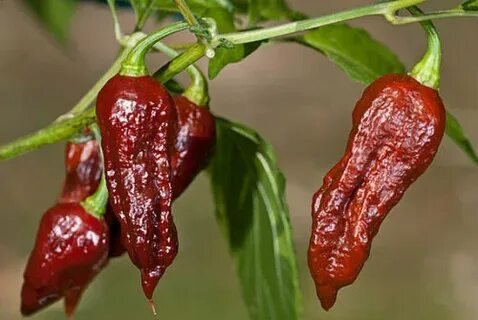
Ghost peppers are 2–3 inches long, wrinkled, with thin skin and variable color—red, orange, yellow, chocolate. They deliver a heat that builds slowly, often with a slightly sweet and smoky flavor, hiding the burn before it hits.
4. Growing Naga Jolokia Ghost at Home
These plants grow 2–4 feet tall and thrive in warm climates with full sun and well-drained soil.
To grow from seeds:
- Germination takes about 7–12 days at ~32–38 °C.
- Grow in pots or garden beds, using warm, sunny spots.
- Water regularly but avoid overwatering.
- Fertilize lightly and prune to improve airflow.
5. Uses in Kitchen and Beyond
Ghost peppers are used fresh or dried in curries, pickles, chutneys, and hot sauces. Their intense heat also makes them a favorite in spicy food challenges.
They’ve inspired innovative uses too. The Indian Army experimented with pepper-based grenades—nonlethal, tear-inducing devices using Ghost Pepper extract.
6. Health and Safety Notes
Ghost peppers contain capsaicin, the active heat element responsible for the fiery sensation. Use with extreme caution:
- Wear gloves when handling.
- Avoid contact with skin, eyes, and respiratory passages.
- Prepare in well-ventilated areas to avoid irritation from fumes.
7. Ghost Pepper in the Hot Pepper Race
Ghost Pepper held the record until it was overtaken by other peppers. According to Guinness (as of August 2023):
- Pepper X: ~2,693,000 SHU
- Carolina Reaper: ~1,641,183 SHU
Ghost Pepper still shines as a milestone in fiery chili history.
8. Why It Still Matters
Despite losing its crown, Naga Jolokia Ghost remains iconic. Its historic claim, unique flavor, and cultural roots make it a standout. It sits firmly in world’s hottest chili lore and continues to inspire gardeners and spice lovers alike.
Conclusion
Naga Jolokia Ghost, or Bhut Jolokia, is more than just a spicy chili. From its Assamese heritage to its million-Scoville heat, it blends folklore, flavor, and fierce heat. Whether you’re growing it, tasting it, or just curious, this pepper delivers a story rich in context and heat. Handle wisely—and enjoy the legend.
FAQs
1. Is Naga Jolokia Ghost the world’s hottest pepper now?
No. It held the title in 2007 at around 1 million SHU, but newer peppers like Carolina Reaper and Pepper X now surpass it.
2. What is Ghost Pepper’s Scoville range?
Typically between 855,000 and 1,041,000 SHU depending on testing method and location.
3. How do you safely handle Ghost Pepper?
Always wear gloves, avoid touching your face, work in a ventilated space, and wash utensils thoroughly after handling.
4. Can beginners grow Naga Jolokia from seeds?
Yes, if you provide warmth (20–35 °C), full sun, well‑drained soil, and moderate care, beginners can succeed.
5. What flavors does Ghost Pepper bring beyond heat?
It adds a slow‑building burn with a slightly sweet, fruity, and smoky undertone that lingers.