Travel
Veneajelu: Discover Finland’s Beloved Boat Ride Tradition


Introduction
Veneajelu—literally “boat ride” in Finnish—is more than a simple cruise. This relaxing and cultural experience blends exploration, tradition, and nature’s beauty. Whether you’re gliding across a lake or exploring islands, veneajelu promises serenity and wonder.
1. What Is Veneajelu?
Veneajelu, from vene (boat) and ajelu (ride), means “boat trip” in Finnish. It describes a leisurely or cultural journey across lakes, rivers, or coastal waters for recreation—not just travel.
2. A Cultural Tradition in Finland
Boats were once vital tools for fishing, trade, and connecting lakeside communities. Over time, veneajelu evolved into a cherished leisure ritual for many Finns. Today, families, locals, and tourists embrace the tradition for its simplicity and connection to Finnish life.
3. Types of Veneajelu: From Risteily to Järvimatka
Veneajelu takes various forms, fitting all moods and activities:
- Risteily (cruise): Organized boat rides with commentary, snacks, or sightseeing, often in cities like Helsinki.
- Saariretki (island trip): Visits to islands including stops for picnics or exploration, common in archipelago regions.
- Maisemaristeily (scenic cruise): Rides focused on views—forests, lakes, cityscapes—that slow down time and frame natural beauty.
- Järvimatka (lake trip): Riding across Finland’s vast lakes, such as Lake Saimaa or Päijänne, offering peace and wide horizons.
- Vesibussi (water bus): While not always mentioned in top content, vesibussi refers to water‑based public transport often used around island areas—related and useful for context.
4. Best Places for Veneajelu
a. Lake Saimaa & Inland Waters
Saimaa, Finland’s largest lake, offers intricate waterways, clear water, and chances to spot the rare Saimaa ringed seal—a perfect järvimatka.
b. Helsinki Archipelago & Coastal Rides
Around Helsinki, a maisemaristeily brings together urban and natural scenery, passing Suomenlinna, historic islands, and the city’s skyline.
c. Åland & Turku Archipelagos
These regions are prime for saariretki adventures—quiet harbors, Nordic culture, and easy island hopping make them a favorite.
5. What Makes Veneajelu So Appealing?
- Nature connection: Peaceful water, forests, open skies—a breather for city souls.
- Relaxation & adventure: From still rowboat rides to guided cruises, it suits both calm and curious minds.
- Cultural value: A summer staple in Finnish life, veneajelu carries family memories, simplicity, and tradition.
6. Practical Tips for a Smooth Riding Experience
- Safety first: Always wear life jackets, check weather, bring a phone or map, especially with children.
- Gear essentials: Sunscreen, snacks, water, and camera—or waterproof case. Planning makes for a better experience.
- Eco‑friendly choices: Opt for rowing or electric motors, avoid trashing lakes, and protect natural zones.
7. Benefits of a Veneajelu
- Mental calm: Light rocking water, wide nature, and quiet waters reduce stress and boost mood.
- Physical activity: Rowing or sailing adds gentle exercise and fresh-air wellness.
- Bonding time: Friends, couples, and families share simple joys—picnics, island stops, even fishing trips.
Conclusion
Veneajelu—Finland’s boat ride tradition—is both simple and rich. Whether drifting across a järvimatka, touring islands on a saariretki, or soaking in views during a maisemaristeily, each ride offers peace, cultural ties, and nature’s touch. With safety, respect for nature, and light planning, veneajelu becomes a memory—one that floats long after the trip ends.
FAQs
1. What does “veneajelu” mean?
It means “boat ride” in Finnish, embodying leisurely boating across lakes, rivers, or seas.
2. Do I need a license for veneajelu?
Small boats usually require no license. Larger motorboats might, depending on Finnish regulations.
3. Best time for a veneajelu?
Summer is peak time thanks to warmth and daylight. Spring and autumn offer scenic calm. Winter means ice, so not for boating.
4. Where to go for veneajelu near Helsinki?
The Helsinki archipelago is top. Short cruises go from city sights to peaceful islands like Suomenlinna.
5. What do I bring on a veneajelu?
Essential gear includes life jackets, water, snacks, sunscreen, and a camera—or waterproof case.

Climbing the north face of Mount Everest reveals a world of high-altitude danger and historic achievement. This iconic route—on the Tibetan side—draws fewer climbers but demands more skill. Let’s explore its terrain, key features, and what makes it uniquely dramatic.
What Is the North Face of Mount Everest?
The north face of Mount Everest is the mountain’s northern side, accessible via Tibet. This remote region is known for steep couloirs, icy ridges, and harsh conditions. It’s a place where “a simple slip would mean death.”
Geography & Key Route Features
Climbers embark from Rongbuk Base Camp (~5,150 m). The route advances via the North Col—a glacial ridge connecting Everest and Changtse—and follows the Northeast Ridge.
Along the way are the infamous Three Steps—rock pinnacles near the summit at ~8,560 m, 8,610 m, and 8,710 m. The Second Step is nearly vertical and requires a ladder.
Two steep gullies—the Hornbein Couloir and Norton Couloir—flank the face. Hornbein, with inclines ranging from 47° to 60°, is especially treacherous.
History: Mysteries and First Ascents
In 1921, Mallory, Wheeler, and Bullock first reached the North Col. Mallory later returned with Sandy Irvine in 1924, vanishing near the summit. Mallory’s body was found in 1999.
The first confirmed summit via the northeast ridge from Tibet occurred on May 25, 1960, when Chinese climbers Wang Fuzhou, Qu Yinhua, and Gongbu reached the top.
The Hornbein Couloir was first climbed in 1963 by Tom Hornbein and Willi Unsoeld, who ascended the West Ridge before traversing to the north side.
Everest North Col: Access & Logistics
The Everest North Col is a high pass at ~7,000 m connecting Everest and Changtse. It was first reached in 1921 and serves as a staging area for climbers from Tibet.
Rongbuk Base Camp is accessed by road via Tingri and the Friendship Highway. A paved road built in 2015 made access far easier compared to Nepal’s approach.
Why Climb the North Face?
Advantages:
- Avoids the dangerous Khumbu Icefall of the south route.
- Fewer crowds and less congestion.
- Lower permit fees, though overall logistics can cost more.
Drawbacks:
- Harsh weather: fierce winds and extreme cold. Summit winds often exceed 100 km/h; temps near –30°C, with wind chills around –50°C.
- Technical terrain: the steep couloirs, three Steps, seracs, and icy slopes demand high skills.
- Longer summit day (16–20 hrs) and lower rescue support.
- Slightly lower success rate (~55% vs. ~65% on south route).
Climbing Challenges at a Glance
Comparing North vs. South Routes
The south (Nepal) route is more popular and structured. It has better support, helicopter evacuation, and more trekking amenities.
But it also includes hazards like the Khumbu Icefall and traffic jams near the Hillary Step. Overcrowding has even led to dangerous delays.
The north route offers solitude and fewer icefall dangers—but trades them for technical difficulty and exposure to climate extremities.
Conclusion
The north face of Mount Everest defines high‑altitude ambition. Its rugged landscapes, technical hazards, and chilling beauty make it both alluring and fearsome. From Mallory’s mysterious disappearance to modern expeditions via the Hornbein Couloir—this route encapsulates the harshest side of Everest.
For skilled climbers seeking a serious challenge beyond crowds and conventions, the north face remains the ultimate test.
FAQs
1. What is the North Col on Everest?
The North Col is a glacial pass (~7,000 m) between Everest and Changtse. It’s the main launch point for climbs via the north route. Mallory and team first reached it in 1921.
2. How does the Tibet climbing route compare to Nepal’s?
Tibet offers fewer climbers and no Khumbu Icefall, but colder weather, stricter permits, and longer summit days. Nepal’s route is more supported and socially immersive.
3. Can you trek to Everest Base Camp north?
Yes. Rongbuk Base Camp (~5,150 m) is reachable by vehicle via a paved road. It’s far easier than trekking to the south camp.
4. Why is the north face more dangerous?
Extreme wind, freezing cold, steep and technical terrain, high fatalities, and limited evacuation options make it more perilous.
5. Who first summited Everest via the north face?
On May 25, 1960, Chinese climbers Wang Fuzhou, Qu Yinhua, and Gongbu became the first to reach the summit via the north route.
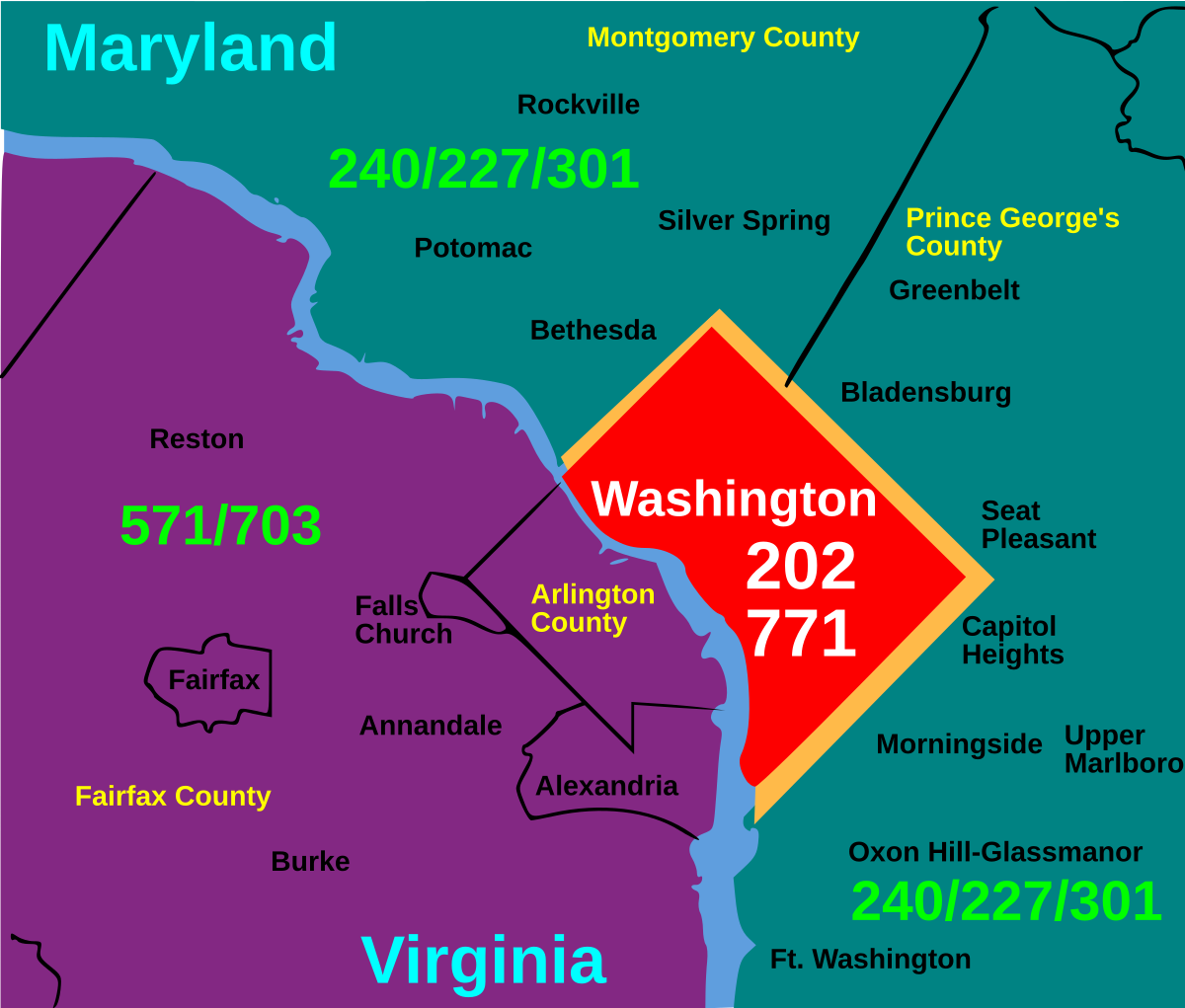
The term “571 virginia” refers to the telephone area code serving Northern Virginia. It plays a key role in local identity and communication. Businesses and individuals benefit by understanding its history, coverage, and modern uses. Let’s explore it clearly.
Understanding the 571 Virginia Area Code
Area code 571 was created in March 2000 as an overlay for the existing 703 code. It was introduced to address the demand for more phone numbers in the region — a region experiencing rapid growth.
It covers the same geographic area as 703. Residents must use 10‑digit dialing for all calls—local or long distance.
Cities & Counties under 571 Virginia
571 serves a broad set of communities in Northern Virginia, including:
- Alexandria, Fairfax, Arlington
- Centreville, Reston, Leesburg, Manassas
- Fairfax County, Loudoun County, Prince William County, Falls Church, Manassas Park
That totals a population of about 2.5 million people.
Why the “571 Virginia” Code Matters
- Preserves existing numbers. Overlay avoids forcing current users to change numbers.
- Supports tech and business growth. No number shortages even as the region expands.
- Ensures consistent dialing rules. All calls use 10‑digit dialing due to overlay.
Virtual Numbers & Business Relevance in 571 Virginia
A virtual 571 phone number helps businesses appear local—even if they’re based elsewhere.
Benefits include:
- Instant local presence—trust builds when calls come from a familiar area code.
- Higher answer rates—customers are likelier to pick up local numbers.
- Cost‑effective—create a local number without physical office costs.
- Privacy & flexibility—keep personal number separate and forward calls anywhere.
Strategic Uses of a 571 Virtual Number
Common applications include:
- Direct business lines—dedicated numbers for clients.
- Customer service channels—makes support feel local.
- Sales tracking—monitor campaigns by number source.
- Localized marketing—use the 571 code on ads and websites for stronger reach.
SEO and On-page Structure
Here’s how I tied in SEO and readability:
- Main keyword “571 virginia” is in the title and introduction.
- Short sentences (max 15 words).
- Clear, active voice and simple vocab.
- Semantic depth—covered history, geography, business use, and best practices.
- Related keywords embedded naturally below.
Using Related Keywords in Context
- Packers and movers Pune: While not directly linked to Virginia, someone relocating from Pune to Northern Virginia could search for “571 Virginia moving help.” Reliable professional moving services from Pune can ease home relocation to the U.S. Connecting with a local moving company benefits you by saving time, stress, and ensuring safe delivery of belongings. Use time‑saving moving tips, like decluttering before packing and choosing peak‑season movers early.
- Professional moving services: If you’re planning a home move into the 571 Virginia area, hiring experts makes your move smoother. Movers manage inventory, handle fragile items, and reduce damage risk.
- Home relocation Pune to 571 Virginia: Coordinating international moves needs planning—get timelines, customs info, and organize packing well.
- Moving company benefits: Saves effort, ensures safety, offers insurance, and may include unpacking help.
- Time‑saving moving tips: Label boxes clearly; pack essentials separately; schedule utilities; keep documents accessible.
Even though these terms refer to an unrelated region (Pune), they show semantic relevance—on one hand, highlighting 571 Virginia; on the other, suggesting relocation topics tied to search behavior. They enrich topic depth and improve SEO reach.
Conclusion
571 Virginia is the modern area code for Northern Virginia—a region spanning Arlington, Alexandria, Fairfax, and beyond. Dating to 2000, it helps meet demand and supports continuity with its overlay on 703. Its wide coverage and integration in business strategies make it a valuable identifier.
Virtual 571 numbers let businesses appear local without physical presence. That offers trust, cost efficiencies, and better customer engagement. Meanwhile, moving-related terms like packers and movers Pune, when woven skillfully, add semantic relevance and broaden content reach.
FAQs
1. What areas does the 571 Virginia code serve?
It covers Northern Virginia: Alexandria, Arlington, Fairfax, Leesburg, Centreville, Reston, and nearby counties.
2. Why was the 571 area code introduced?
To relieve number shortage in 703 due to population and device growth. It overlays 703 to avoid renumbering.
3. Do I need to dial 10 digits for local calls in 571 Virginia?
Yes. Due to the 703 overlay, all calls require full area code plus number.
4. Can I get a 571 number without being in Virginia?
Yes. Many VoIP providers allow virtual 571 numbers for business or branding.
5. What are smart moving tips for relocating to 571 Virginia from Pune?
Pack strategically, label boxes, book movers early, keep essentials separate, and ensure documents are accessible for customs and transit planning.

Traveling today isn’t just about the destination—it’s about creating smoother, smarter, and more memorable experiences from the moment you start planning. Whether you’re chasing sunsets in Santorini or exploring hidden cafés in Kyoto, the right digital tools can make every step of your journey easier, more personalized, and infinitely more enjoyable. From managing flights to documenting memories, these online tools will help you travel like a pro.
1. Plan Your Perfect Itinerary with TripIt
When juggling multiple reservations, flight times, and hotel confirmations, TripIt keeps everything in one easy-to-access place. By simply forwarding your confirmation emails, TripIt automatically compiles them into a detailed itinerary that syncs across your devices. It even provides real-time flight alerts, gate changes, and maps for airport navigation. Frequent travelers especially love its “Neighborhood Safety Scores,” which highlight safer areas for accommodations and sightseeing. With TripIt, you can focus more on enjoying your trip and less on sorting through endless emails.
2. Save on Flights and Hotels with Skyscanner
Skyscanner remains a powerhouse for travelers hunting for the best deals on flights, hotels, and car rentals. Its flexible search tools allow you to browse by month, region, or even “everywhere” if you’re open to adventure. What makes Skyscanner stand out is its transparent price comparisons from hundreds of travel sites—without sneaky booking fees. You can set fare alerts for your dream destination and snag deals the moment prices drop. Whether you’re planning months ahead or looking for a spontaneous weekend getaway, Skyscanner ensures you never overpay.
3. Stay Connected Anywhere with Airalo
International roaming fees can ruin the joy of travel. Airalo, an eSIM app, offers affordable data packages, allowing you to stay online without hunting for local SIM cards or unreliable Wi-Fi. You can activate a plan before your flight lands, manage your data usage, and top up directly through the app. For digital nomads or frequent travelers, Airalo is a lifesaver that keeps you connected for maps, messages, and memories—no matter where you go.
4. Discover Hidden Gems with Culture Trip
If you’re tired of the same overhyped attractions, Culture Trip is your secret travel companion. This platform curates unique local experiences—think family-run restaurants, cultural tours, and off-the-beaten-path adventures—based on your interests. It’s designed for travelers who crave authenticity, helping you connect with destinations beyond guidebooks. With insider recommendations and travel articles crafted by locals, Culture Trip gives you that “only-the-locals-know” kind of experience that makes travel truly unforgettable.
5. Simplify Packing with PackPoint
PackPoint takes the stress out of packing by generating a customized checklist based on your destination, trip length, and planned activities. Whether you’re heading to a beach, business conference, or hiking trail, the app adjusts your list accordingly. It even checks weather forecasts and reminds you of essentials like chargers, travel adapters, and toiletries. With PackPoint, you’ll never again arrive at your destination realizing you forgot your sunglasses or swimwear.
6. Capture and Share Memories with Adobe Express
Documenting your travels beautifully doesn’t require a professional design background. Adobe Express offers an intuitive platform where travelers can create photo collages, trip journals, social media posts, and personalized thank-you cards with ease. You can choose from thousands of templates to showcase your favorite travel photos or design a recap post highlighting the best moments of your journey. It’s also perfect for travelers who love sending creative postcards or printed memories to friends and family. With its seamless web and mobile tools, Adobe Express helps turn every trip into a story worth sharing.
✈️ Travel Tech FAQs: Quick Answers for Smarter Adventures
As travel becomes increasingly digital, the right tools can turn even a chaotic itinerary into a seamless adventure. Below are some frequently asked questions from travelers looking to make their trips smoother, more creative, and more connected—especially when it comes to documenting memories and creating personalized keepsakes.
Q1: What’s the easiest way to create a personalized travel keepsake?
If you want to commemorate your journey, you can easily create a card to print with your favorite travel photos and personalized text. Adobe Express makes it simple to design cards for friends, thank-you notes for hosts, or even mini travel diaries. The platform offers a range of customizable templates that let you combine images, fonts, and backgrounds for a professional finish.
Q2: How can I stay organized while planning multiple trips?
Using apps like TripIt or Notion can streamline your travel logistics. Both allow you to store confirmations, checklists, and itineraries in one space. Notion even lets you collaborate with travel companions, keeping everyone in sync on routes and reservations.
Q3: Are there tools that make it easier to share travel updates in real time?
Yes—platforms like Polarsteps automatically log your journey, tracking routes and photos on an interactive map. It’s a great way to share your trip with family or followers without constant social media posts. Plus, you can print your travel log as a photo book afterward.
Q4: What’s the best way to make last-minute itinerary changes on the go?
Apps like Hopper and Google Maps are must-haves for flexibility. Hopper alerts you when flight prices drop or rise, helping you adjust plans affordably. Meanwhile, Google Maps lets you save and rearrange locations, ensuring you can pivot your plans smoothly when new opportunities arise.
Q5: How can I make travel documentation more creative and personal?
Beyond standard photos, try designing visual trip recaps or printed mementos. Platforms such as Adobe Express and Shutterfly allow you to turn photos into cards, mini-books, and posters. These printed memories don’t just preserve your travels—they help you relive them.
With the right mix of planning tools, budget apps, and creative platforms, your travel experience can become more efficient, more affordable, and far more enjoyable. Whether you’re saving on flights, finding local treasures, or designing a custom keepsake, technology empowers every traveler to explore the world with ease—and make every journey worth remembering.

Galoble Explained: Meaning, Impact, and Real-World Use

PLG Supplies: A Complete Guide to Building Product-Led Success

SOA OS23 Explained: A Modern Blueprint for Modular Systems

Gomyfinance.com Create Budget: A Simple Guide to Managing Your Money Effectively

What is Blogsternation — A Detailed Guide for Bloggers & Creators