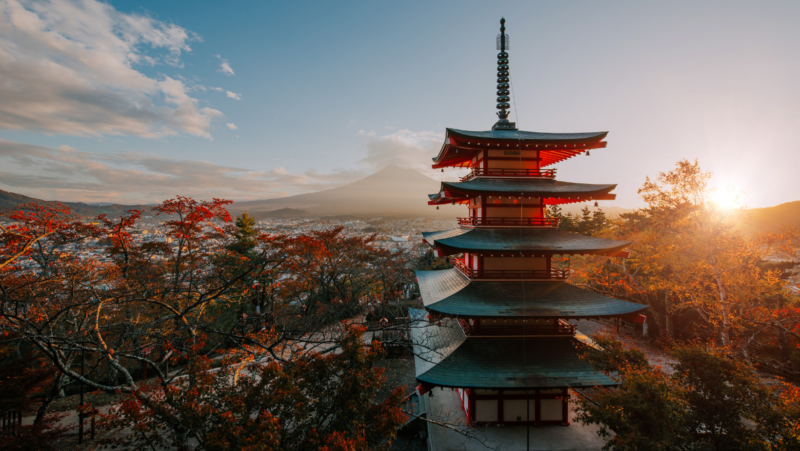
Highlights of Nummazaki: Discover Japan’s Hidden Gem of Culture and Beauty
Nestled along the sparkling waters of Suruga Bay in Shizuoka Prefecture, the city of Numazu (sometimes written “Nummazaki” in travel-context) is a destination where sea meets mountain, tradition meets tranquillity, and everyday life still flows with authenticity. If you’re seeking more than Japan’s major tourist hubs, the highlights of Nummazaki offer a beautifully balanced blend of nature, culture and cuisine—perfect for travellers looking to pause, breathe and explore.
In this article, we’ll take you through the best of Numazu: its natural beauty, historic layers, culinary scene, and what practical travellers should know.
Gateway to Natural Splendour
The first thing that strikes you about Numazu is how it occupies a unique geographical position. It lies at the north-western entrance of the Izu Peninsula, facing Suruga Bay with the majestic silhouette of Mount Fuji standing in the distance. The climate is mild thanks to the warm Kuroshio current, and the sea air gives the town a tranquil, slightly slower rhythm than Japan’s major metros.
Walking along the pine-lined promenade of Senbon Matsubara—a long stretch of green pines by the water—you feel like you’re in a classic Japanese coastal scene, the kind immortalised in historic art. For nature lovers, even casual strolls or short hikes (for example, up Mount Kanuki) offer impressive views of sea, pines and mountain together.
If you choose one “must-see,” make it the observation deck on the “View-O” water-gate near the port. It gives a broad panoramic sweep over bay, city and Mt Fuji beyond.
Rich Cultural Layers
While the scenery seduces you, the history of Numazu quietly enriches the experience. The city’s origins go back to when this region formed part of the ancient Suruga Province. In more recent times, the site of the Numazu Imperial Villa—built in the late 19th century—stands as a reminder of how this seaside spot was once a retreat for the imperial family.
Other historic traces remain: for instance, the ruins of Kōkokuji Castle in the Ashitaka mountains now count as a national historic site. Wikipedia What this means for you as a traveller is that Numazu is layered: you can feel the working-port town, the seaside resort for nobility, the green escapes of nature—and each layer adds depth to your experience.
Food & Port Life
One of the most lively and genuine parts of Numazu is the port area. The working harbour still feels very much alive, and that means fresh seafood, early-morning markets and a sense of local rhythm. The town accounts for a large share of Japan’s dried horse-mackerel production.
At the Numazu Port you’ll find restaurants offering “fish-don” (seafood bowls), sushi and other locally-caught delights. According to recent travel guides, it remains an extremely satisfying food destination for visitors who love the sea’s bounty.
What I like: pause at a harbour café, listen to the gulls, watch the fishing boats drift in, and you’ll sense how the town remains anchored in the real rhythm of the coast. Don’t rush the lunch: let the sea breeze, the view of Mt Fuji, and the scent of salt and fish combine into your travel memory.
Scenic Views & Outdoor Escapes
Whether you’re a casual walker or outdoors-oriented, Numazu delivers. Along the coastline you’ll find rugged cliffs, calm bays, pine groves and coastal trails. The area around the small port village of Heda offers a quieter escape if you want to get further away from the busier parts of town.
If you’re in the mood for variety, try pairing a seaside morning with a short hike in the foothills of Mount Ashitaka (1,188 m) for an elevated perspective of the bay and Mt Fuji. By evening, walk the promenade such as that at Senbon Matsubara for sunset light on the pines and sea. One strong tip: check the weather ahead of time because for Mt Fuji views, clear skies make a big difference.
Hidden-Gem Culture & Local Life
It’s not just about views and seafood—Numazu has a quieter culture of its own. For example, the town has become a pilgrimage place for fans of the anime Love Live! Sunshine!!, thanks to real-world locations being used in the series. This kind of local cultural layer means you’ll find little corners of the town catered to those in the know, and nothing feels over-packaged.
Also, in the quieter side-streets and around the harbour, you’ll encounter small shrines, fishermen’s homes, and craft or snack shops that still feel rooted in local life rather than tourism. These are the places where you can slow down, chat (if you can) and appreciate life at a gentler pace.
Travel Tips & Practical Info
To make the most of the highlights of Nummazaki, here are some key practical pointers:
Getting there – Numazu is accessible from Tokyo in about 60–90 minutes by train on the Tōkaidō Main Line (via Mishima on the Shinkansen, then a local train) or by car via expressways.
When to go – For the best views of Mt Fuji and pleasant weather, aim for spring or autumn. Summers can be warm and humid, but coastal breezes help. Winters are mild but clearer days are less guaranteed.
Stay & pace – Stay overnight if you can. A one-night stay lets you experience the port at dawn, the pine promenade in the morning, and a relaxed afternoon outdoors. Two nights give you even more flexibility. Guides suggest 2–3 days for a comfortable experience.
What to pack – Bring comfortable walking shoes (many streets, promenades and trails). If you’re staying by the coast, a light jacket can help with sea breezes. Also check weather for Mt Fuji visibility if that view is important to you.
Local respect – While Numazu is used to visitors, it retains a working-port town feel. Respect fishermen’s schedules, keep noise moderate in residential side-streets, and avoid disrupting local life.
Final Thoughts
The highlights of Nummazaki — a sweeping bay, a serene pine-lined coast, seafood that tastes of the sea and sky, mountains in the distance, local traditions still alive — come together into a travel experience that doesn’t feel rushed or overly curated. It’s less about ticking boxes, and more about letting place settle around you.
If you are thinking of travelling to Japan and want a destination that balances tranquillity and vitality, nature and culture, generation-old livelihoods and modern comfort—Numazu is a choice that invites you to slow down, look up at the sky and out to the sea, and find a rhythm all its own.)