fontlu and the New Era of Creative Typography Design
Introduction
Typography has always shaped the way people experience written communication. From newspapers and branding to websites and mobile applications, the style of text silently influences emotion, trust, readability, and identity. In recent years, platforms focused entirely on font discovery and typography management have gained strong attention among designers and creative professionals. One name increasingly appearing in discussions around modern type exploration is fontlu.
The rise of fontlu reflects a broader shift in how creators approach visual communication. Fonts are no longer treated as minor decorative elements. They now carry strategic importance in branding, storytelling, interface design, and audience engagement. Whether someone is building a startup identity, designing a product label, or creating social media graphics, typography often becomes the first visual cue that shapes perception.
What makes fontlu interesting is its positioning as more than a simple font directory. It appears to combine typography discovery, creative inspiration, font previews, and accessibility into one streamlined experience. Various online discussions and reviews describe fontlu as a growing resource for designers searching for modern, stylish, and practical typefaces.
The growing popularity of typography-focused platforms also reflects changing creative habits. Designers today move quickly between branding projects, interface layouts, content graphics, and marketing materials. They need efficient access to readable, visually balanced, and emotionally appropriate fonts. In that environment, fontlu represents a modern response to an old design challenge: finding the right typeface without wasting time or sacrificing quality.
What Is fontlu
fontlu is an online typography and font discovery platform designed to help creators explore, preview, organize, and use different font styles for creative projects. Multiple online sources describe fontlu as a platform offering both free and premium typefaces alongside typography inspiration and design-focused tools.
READ MORE: Woeken and the New Language of Online Expression
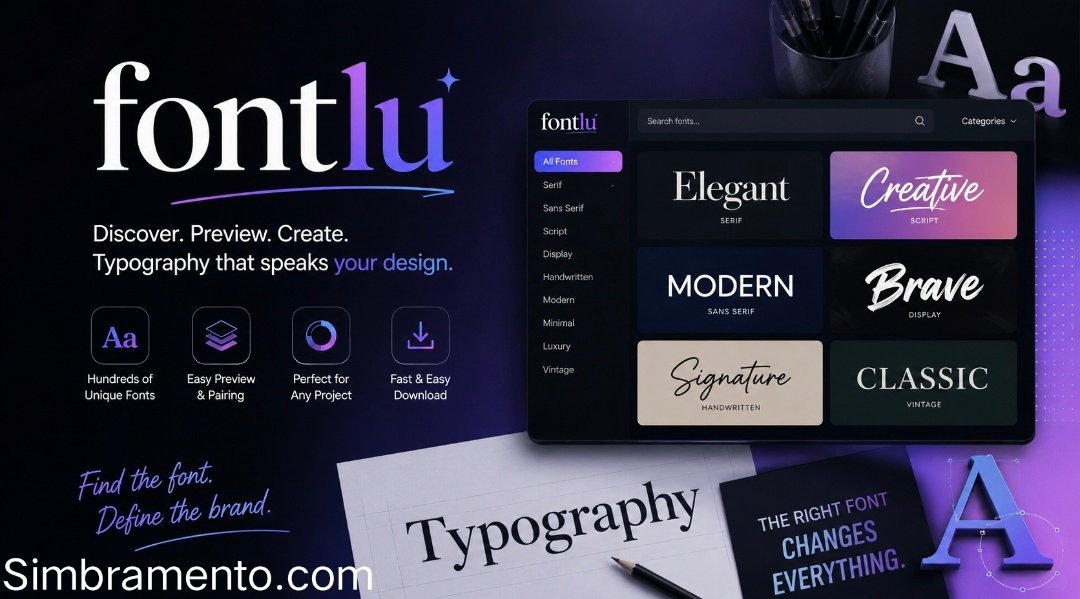
Unlike traditional font archives that simply store downloadable files, fontlu appears to focus on the overall typography experience. Users can browse categories, preview fonts in real time, test visual combinations, and identify styles suited for logos, branding, presentations, websites, and creative campaigns.
The concept behind fontlu aligns with the modern understanding of typography. Fonts are no longer isolated design assets. They are part of communication strategy. A luxury brand may use elegant serif lettering to suggest sophistication, while a technology company may prefer minimalist sans-serif styles that communicate clarity and efficiency. Platforms like fontlu help bridge the gap between technical font selection and emotional visual storytelling.
Another reason fontlu stands out is accessibility. Many typography platforms overwhelm beginners with technical language and complex licensing structures. Reviews discussing fontlu frequently mention ease of navigation and beginner-friendly browsing experiences. That accessibility matters because typography is no longer reserved only for professional designers. Small business owners, students, creators, marketers, and content producers all rely on strong visual communication.
Why Typography Matters More Than Ever
The importance of typography has expanded dramatically over the last decade. People now consume information across phones, tablets, laptops, advertising displays, packaging, streaming platforms, and social applications. Every one of those environments depends on readable and emotionally effective typography.
A poorly chosen font can weaken a message instantly. Readers may feel confused, distracted, or disconnected without consciously understanding why. On the other hand, the right typeface creates clarity and trust. It improves reading flow, strengthens brand identity, and guides visual attention naturally.
fontlu operates within this changing creative environment. By helping users discover fonts more efficiently, it addresses one of the most overlooked challenges in design: decision fatigue. Many designers spend hours testing fonts because the wrong typography choice can damage an otherwise strong project.
Typography also affects emotional interpretation. Rounded fonts may feel friendly and casual, while sharp geometric lettering can appear futuristic or authoritative. Handwritten styles create intimacy, while bold condensed fonts communicate urgency and power. The psychology behind typography is subtle but extremely influential.
Modern consumers often make judgments within seconds. That means typography contributes directly to first impressions. Businesses increasingly understand that font selection is not simply aesthetic decoration. It shapes how audiences perceive professionalism, credibility, creativity, and personality.
The Features That Make fontlu Attractive
One reason fontlu continues attracting attention is the combination of usability and creative flexibility. Reviews and discussions surrounding the platform highlight several qualities that appeal to both experienced designers and beginners.
A major strength appears to be font categorization. Instead of forcing users to search endlessly, fontlu organizes styles in ways that reflect practical design needs. Someone working on luxury branding may quickly explore elegant serif collections, while a creator producing gaming content may look for futuristic or experimental typography.
Preview functionality also plays a major role. Designers often struggle to imagine how fonts will look in real-world layouts. Platforms like fontlu reduce that uncertainty by allowing instant text previews and style experimentation. This speeds up creative workflows significantly.
Another appealing aspect is creative inspiration. Modern typography platforms increasingly function as idea ecosystems rather than simple storage libraries. fontlu seems positioned within this trend by helping users explore design moods, visual combinations, and contemporary lettering styles.
Some sources also mention workflow integration and deployment support, suggesting that fontlu may help streamline the transition between discovery and implementation. For professionals managing multiple projects, efficiency matters almost as much as artistic quality.
How fontlu Supports Branding and Identity
Brand identity depends heavily on consistency. Colors, logos, layouts, and typography work together to create recognition. Among these elements, typography often carries the emotional tone of a brand more directly than any other visual component.
A law firm using playful handwritten fonts would appear unreliable. A children’s toy company using rigid corporate lettering might feel emotionally disconnected. Typography helps audiences understand a brand before they even read the message itself.
fontlu supports branding by offering diverse font styles that match different communication goals. Startups often search for clean modern typography that feels innovative and approachable. Luxury businesses prefer elegant fonts associated with exclusivity and refinement. Creative industries frequently experiment with bold display fonts to build memorable identities.
What makes typography especially powerful is repetition. Once audiences repeatedly encounter the same lettering style, it becomes psychologically linked with the brand itself. This is why major companies protect and maintain consistent typography systems across packaging, advertising, websites, and social content.
Platforms like fontlu simplify the discovery process by helping creators compare styles quickly. Instead of randomly testing fonts from scattered sources, designers can explore structured collections aligned with specific visual moods and industries.
The Difference Between Fonts and Typefaces
Many people use the words “font” and “typeface” interchangeably, but they are technically different concepts. A typeface refers to the overall visual design family, while a font represents a specific variation within that family, such as size, weight, or style.
For example, Helvetica is a typeface, while Helvetica Bold Italic represents a font variation within that typeface family. Understanding this distinction helps explain why typography platforms organize styles into families and categories rather than isolated files.
fontlu appears designed to simplify these technical concepts for everyday users. Instead of overwhelming beginners with typography theory, it focuses on usability and practical exploration. That balance matters because many creators care more about visual impact than technical terminology.
Still, typography knowledge remains valuable. Understanding weight, spacing, readability, hierarchy, and contrast helps users make stronger creative decisions. As typography becomes more influential across media platforms, design literacy continues expanding beyond professional circles.
The Growing Culture of Font Exploration
Typography has evolved into its own creative culture. Designers now discuss fonts with the same passion that photographers discuss cameras or filmmakers discuss lenses. Entire communities exist around font pairing, experimental lettering, minimalist typography, and visual identity systems.
fontlu fits naturally into this growing culture because it supports exploration. Instead of treating typography as purely functional, it encourages experimentation and creative discovery. This shift reflects a larger transformation in visual communication. Modern audiences respond strongly to aesthetics, personality, and originality.
Social media platforms accelerated this movement. Creators constantly search for typography styles that help content stand out visually. Whether someone designs thumbnails, advertisements, quotes, or promotional graphics, typography strongly affects engagement and memorability.
At the same time, readability remains critical. Decorative fonts may attract attention briefly, but overly complex typography can frustrate readers. Strong typography balances personality with clarity. Successful platforms like fontlu appear to recognize this balance by offering both expressive and practical font categories.
Challenges in Modern Typography
Despite growing accessibility, typography still presents challenges. One major issue is overuse. Many creators rely on trendy fonts without understanding context, resulting in repetitive visual identities across industries.
Another challenge involves compatibility. Fonts may display differently across devices, applications, and operating systems. Designers must ensure readability and consistency regardless of screen size or environment.
Licensing confusion also creates problems. Some fonts are free only for personal use, while commercial applications require payment or attribution. Responsible typography platforms provide clear licensing details to help users avoid legal complications.
There is also the issue of visual clutter. Modern content environments are crowded with attention-grabbing designs. Strong typography should support communication rather than overwhelm it. The best font choices often feel natural and invisible because they guide reading effortlessly.
Platforms such as fontlu may help reduce these challenges by centralizing resources and simplifying font exploration. When creators can preview fonts clearly and compare styles efficiently, they are less likely to make rushed or ineffective typography decisions.
The Future of fontlu and Typography Platforms
Typography platforms are evolving rapidly. Artificial intelligence, responsive interfaces, and collaborative design systems are reshaping how fonts are discovered and implemented. Future typography platforms may automatically recommend font combinations based on mood, audience behavior, or branding goals.
fontlu appears positioned within this modern evolution of typography management. Several online discussions already frame it as part of a broader movement toward integrated font ecosystems rather than static download archives.
The future will likely involve more personalization and real-time adaptation. Fonts may automatically adjust weight, spacing, or readability depending on screen conditions and user preferences. Variable fonts and responsive typography systems are already changing the creative landscape.
At the same time, human creativity will remain central. Typography is ultimately emotional communication. Technology may improve efficiency, but designers still shape meaning through visual choices. Platforms like fontlu succeed when they support creativity without replacing artistic judgment.
Conclusion
fontlu represents more than a simple font resource. It reflects the growing importance of typography in modern communication, branding, and visual storytelling. As audiences become increasingly design-aware, the role of fonts continues expanding beyond aesthetics into psychology, identity, and user experience.
The appeal of fontlu lies in its accessibility, creative flexibility, and focus on practical typography exploration. It helps users navigate an overwhelming design landscape by offering organized font discovery, visual inspiration, and streamlined usability.
Typography itself has entered a new era. Fonts are no longer secondary design elements hidden behind images and layouts. They now shape emotional tone, audience trust, readability, and brand memorability. In this environment, platforms like fontlu are becoming essential creative tools rather than optional resources.
As design culture continues evolving, typography will remain one of the strongest silent influences in communication. The right font can transform a message completely, and platforms dedicated to helping creators make better typography choices will only become more relevant in the years ahead.
FAQs
What is fontlu used for?
fontlu is primarily used for discovering, previewing, and selecting fonts for creative projects such as branding, websites, presentations, logos, and graphic design work.
Is fontlu suitable for beginners?
Yes, fontlu appears designed for both beginners and professionals. Its user-friendly structure and organized font categories make typography exploration easier for people with limited design experience.
Does fontlu offer free fonts?
According to available sources, fontlu provides both free and premium font options. Users should always review licensing details before commercial use.
Why is typography important in branding?
Typography influences how audiences emotionally perceive a brand. Font style affects professionalism, readability, trust, personality, and overall visual identity.
How is fontlu different from traditional font libraries?
Traditional font libraries mainly focus on downloads, while fontlu appears to combine font discovery, previews, inspiration, organization, and creative workflow support in one platform.