
Home improvement
Visqueen: Essential Plastic Sheeting for Moisture Control

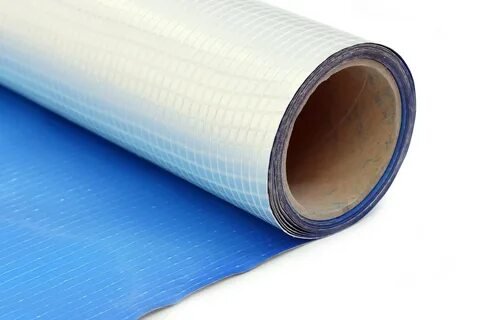
Visqueen is a trusted brand of polyethylene film widely used in construction, agriculture, and DIY. This vapor barrier is durable, versatile, and effective at moisture control, offering protection and convenience across many applications.
What Is Visqueen?
Visqueen is a plastic sheeting—specifically low‑density polyethylene—that’s typically between 4 and 10 mil thick. It comes in clear, black, blue, and opaque colors.
It acts as a vapor barrier, preventing moisture from passing through surfaces like walls, floors, and ceilings.
Common Uses of Visqueen
Visqueen finds use in many areas:
- Construction covering: Protects fresh concrete as it cures or acts as drop cloths during painting.
- Ground covering: Used under mulch or as weed prevention in landscaping and crawl spaces.
- Vapor barrier in basements, crawl spaces, and under slabs to prevent water intrusion and dampness.
Thickness Options: Matching Needs
Visqueen is available in varying thicknesses to suit different tasks:
- 4 mil: Lightweight, good for dust protection or painting containment.
- 6 mil: Robust enough for crawl spaces, moisture control, and under concrete slabs.
- 10 mil and above: Heavy‑duty use—ideal for high‑traffic areas, long‑lasting ground cover, or industrial needs.
Visqueen as a Vapor Barrier Under Flooring
A popular product is the Visqueen 6 mil PE Film Vapor Barrier used under laminate or vinyl flooring. Rolls covering up to 750 sq ft are available.
It serves as a moisture‑block underlayment over cement or existing underlayment, helping protect flooring from rising damp.
A detailed guide shows how to clean the subfloor, lay overlapping sheets, and secure seams for the best performance.
Benefits of Visqueen
- Effective vapor barrier: Meets construction standards for damp proofing and condensation control.
- Strong and durable: Even recycled Visqueen brands offer good abrasion and tear resistance.
- Versatile: Works in construction, agriculture, landscaping, or home improvement projects.
- Cost‑effective: Available in large rolls and bulk sizes, giving good value per square foot.
Choosing the Right Visqueen
- Light projects (painting, temporary dust walls): 4 mil is enough.
- Moderate moisture protection (crawl spaces, under concrete): 6 mil is ideal.
- Heavy‑duty applications (frequent foot traffic, long‑term use): Go for 10–15 mil.
Installation Tips for Best Results
- Prepare the surface: Clean, dry, and smooth the substrate.
- Lay overlapping sheets: Overlap seams at least 6 inches.
- Tape seams and edges: Use vapor‑barrier tape to seal overlaps securely.
- Run up walls: Extend sheets a few inches up the wall to prevent moisture bypass.
Environmental Notes
Visqueen can be made from recycled material, promoting eco-friendliness, though virgin polyethylene film offers stronger clarity and durability.
Conclusion
Visqueen is a polyethylene film that truly delivers. From simple plastic sheeting tasks like painting to demanding vapor barrier roles beneath flooring or in crawl spaces, it offers versatility, durability, and value. With thickness options from 4 to 10+ mil, strong moisture control, and an easy installation process, Visqueen remains a go-to construction covering solution.
FAQs
1. What thickness of Visqueen should I use under concrete?
For concrete slabs or floors, use at least 6 mil, but 10 mil or more is safer for heavy-duty or long-term installations.
2. Can Visqueen be used for painting?
Yes—4 mil Visqueen works well as a plastic sheeting drop cloth or dust barrier.
3. Is Visqueen environmentally friendly?
Recycled Visqueen offers sustainability; virgin polyethylene gives higher strength and clarity.
4. How do I install Visqueen under flooring?
Clean the subfloor, lay overlapping sheets, tape seams, and extend a few inches up the wall.
5. Is Visqueen the same as a vapor barrier?
Yes—Visqueen is commonly used as a vapor barrier, blocking moisture through floors, walls, and ceilings.
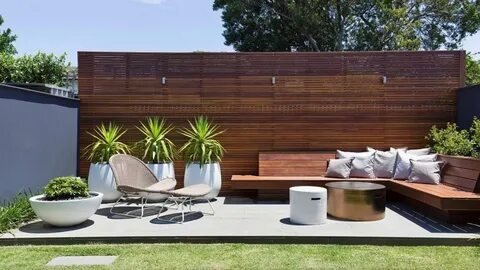
If you want to elevate your outdoor space, Markiseteppe is a versatile solution. It blends the charm of a rug with the functionality of an awning. Whether you need a camping rug, caravan mat, or patio flooring, markiseteppe covers both comfort and durability.
What Is Markiseteppe?
- The term “markiseteppe” combines markise (awning in some languages) + teppe (carpet or rug). It refers to outdoor textiles that act like a carpet or rug, often with shade / awning-like properties.
- It serves multiple functions: outdoor carpet, awning mat, caravan mat, camping rug.
Benefits of Using Markiseteppe
Comfort underfoot
Walking barefoot on hard patios or caravan floors can be uncomfortable. A markiseteppe (or camping rug) gives soft, warm support.
Shade and sun protection
Some designs provide awning-style shade or reduce heat from direct sunlight. That helps cool down spaces and protects surfaces.
Style and design flexibility
You’ll find many colours, patterns, textures. From bold geometric prints to neutral tones. It lets you match your caravan mat, patio flooring, or awning mat with your décor.
Durability outdoors
Weather, moisture, UV rays, foot traffic—all tough on outdoor materials. Markiseteppe is made to resist these factors.
Versatility
Use it as patio flooring, under awnings, near pools, inside caravans, or at campsites. The multi-purpose nature makes it cost-effective.
Types and Materials of Markiseteppe
To pick the right one, know the types & materials.
| Type | Best Use | Materials / Features |
| Flat-woven outdoor rug | Patio flooring, under dining areas | UV-resistant synthetic fibres (polypropylene, polyester) |
| Textile awning mat | Shade + floor covering under awnings | Thicker fabric, waterproof layers |
| Caravan mat | Outdoors around a caravan, trailer | Weatherproof, easy to roll, resistant to mildew |
| Camping rug | Campsites, tents | Lightweight, quick-dry, portable |
Choosing the Right Markiseteppe
Here are factors to help you decide.
- Size and shape
Measure the area you want to cover. Leave a margin so it looks balanced. - Material quality
Check UV protection, water resistance, mildew resistance. Materials like treated polypropylene or coated canvas are good. - Design & pattern
Pick something that blends with your décor. Neutral tones are safer. Bright patterns can be focal points. - Weight and portability
If you’ll move it often (camping, caravans), lightweight and foldable rugs are ideal. - Ease of cleaning & maintenance
Look for rugs that can be hosed off easily, resist stains, dry fast.
How to Install & Maintain a Markiseteppe
Proper installation and upkeep will extend its life.
- Surface prep: Clean the floor or ground. Make sure it’s flat. Remove sharp objects.
- Anchoring: Depending on style, you may need weights, clips, or edges tucked under an awning.
- Cleaning: Shake off dirt regularly. Hose down with mild soap. Let it dry fully before storing.
- Storage: In harsh weather (snow, heavy rain), roll it up and store in shade or indoors.
- Repairs: Minor frays can be sealed. Waterproof coatings may need touching up.
Uses & Placement Ideas
- Under patio furniture to create a defined seating area.
- Alongside BBQ or outdoor kitchen zones.
- As caravan mat—outside your awning or door for a clean walkway.
- At campsites under tents or lounging spots.
- Pool-side areas to reduce slip and add comfort.
Potential Drawbacks & How to Avoid Them
- Fading: Strong sun can bleach colours. Choose UV-stable dyes.
- Mold / mildew: Moisture trapped underneath causes this. Ensure proper drainage and ventilation.
- Wear in corners: Edges may curl or chew from foot traffic. Reinforced edging helps.
- Slipping hazard: On slick surfaces, use anti-slip underlay or clips.
Markiseteppe vs. Other Outdoor Options
| Feature | Markiseteppe | Traditional Rug | Hard Flooring (wood/tile) |
| Comfort | High | Medium | Low |
| Portability | High | Varies | Low |
| Maintenance | Medium | Medium-high | High (grout, tiles, etc.) |
| Weather resistance | Good if quality | Often Poor | Excellent |
| Cost | Moderate | Moderate to High | High upfront |
Why Markiseteppe Is Gaining Popularity
- Trend toward outdoor living: patios, gardens, terraces are more used for leisure.
- Need for combining form & function: desire for decor + utility (shade, protection, comfort).
- Love for flexible setups: people want items they can move, store, change easily.
- Improvement in durable outdoor materials & manufacturing.
Conclusion
Markiseteppe offers a smart way to enhance outdoor spaces. It delivers comfort, style, and function in one package. Whether you’re outfitting a patio, caravan, campsite, or awning area, the right markiseteppe can transform the feel underfoot and visually elevate the space. Choose quality materials, suitable size, and take care of cleaning and storage to enjoy it for many seasons.
FAQs
Q1: What is the difference between a markiseteppe and a regular outdoor rug?
A markiseteppe often adds shade or awning-like properties and tends to have more durability against sun and weather. Regular outdoor rugs may be softer, but less rugged.
Q2: Can a markiseteppe be used on hard surfaces like tiled patios or concrete?
Yes. As long as it has a good backing or anchoring, and materials that resist moisture, it works well on hard surfaces.
Q3: How do I clean mould or mildew from a markiseteppe?
Use mild soap, water, and a soft brush. Rinse thoroughly and let it dry completely in shade. Avoid harsh chemicals which might damage fibres.
Q4: Are markiseteppe options good for caravans and camping?
Definitely. Caravan mats and camping rugs are specific types of markiseteppe. They are often light, portable, and built for rough conditions.
Q5: How long does a good markiseteppe last?
With good materials and proper care, it can last several seasons—often 3-5 years or more. Exposure to extreme sun, moisture, or heavy wear may reduce lifespan.

Introduction
In this article, we explore tumbons, better known in Spanish as tumbonas—the classic sun‑lounging chair. Learn about different styles of beach chairs, sun loungers, outdoor recliners, and poolside furniture. Discover what makes them essential for outdoor comfort, their design types, and how to choose the best one.
What Are Tumbonas (Tumbons)?
A tumbona (plural tumbonas) is a folding chair you lie on for sunbathing—commonly called a sun lounger or deck chair. In English, it’s also referred to as a beach chair, recliner, or chaise longue. These loungers are staples of beaches, pools, and patios.
Why People Choose Tumbonas
- Relax in style: With reclinable backs and comfy materials, tumbonas enhance relaxation.
- Portable and lightweight: Many fold easily for storage or transport.
- Versatile use: Perfect for the beach, pool edge, backyard, or sun deck.
Common Styles of Sun Loungers
1. Folding Deck Chair
Compact folding design with canvas or wooden frame—classic beach style.
2. Adjustable Outdoor Recliner
Multiple reclining angles—for reading, sunbathing, or lounging upright.
3. Chaise Longue
Longer design that supports legs fully—ideal for extended lounging or naps.
4. Poolside Sun Lounger
Often made with waterproof materials like plastic or resin—great by water.
Materials Matter: Comfort Meets Durability
| Material Type | Pros | Considerations |
| Wood (teak, acacia) | Stylish, durable, natural feel | Requires maintenance |
| Metal (aluminum) | Lightweight, rust‑resistant | Can get hot in sun |
| Plastic/Resin | Budget‑friendly, waterproof | Less elegant look |
| Mesh Fabric | Breathable, comfy | Needs periodic cleaning |
Choosing the Right Tumbona
1. Purpose & Location
Are you using it by the pool, on the beach, or on a terrace? Waterproof materials suit wet areas, while wood or mesh fit patios.
2. Portability
Want something you can fold and carry? Look for lightweight frames under 10 kg with hand straps.
3. Comfort Features
- Adjustable backrests—even upright reading positions.
- Padded cushions or breathable mesh for longer lounging.
- Headrests, wheels, or cup holders enhance convenience.
4. Style & Aesthetics
Match your tumbona with your outdoor decor—rustic wood, modern metal, or vibrant plastic choices.
5. Budget & Durability
- Mid‑range: sturdy aluminum or resin (long lifespan).
- Higher-end: teak or acacia (premium look, needs care).
Maintaining Your Tumbona
- Clean regularly: Wipe down with mild soapy water.
- Protect wood: Apply oil or sealant once a year.
- Store smart: Keep foldable pieces in dry shade when not in use.
- Tighten fittings: Check screws and joints seasonally.
Quick Comparison: Tumbonas vs. Other Seating
| Feature | Tumbonas / Sun Loungers | Standard Patio Chair |
| Recline Capability | Yes, multiple angles | Usually fixed upright |
| Leg Support | Full-length support | No |
| Portability | Often foldable | Bulky, heavy |
| Ideal For | Relaxing/sunbathing | Social seating |
| Fabric Styles | Cushioned or mesh | Wicker, metal, plastic |
Conclusion
Tumbons—or tumbonas—are more than just chairs. They instantly elevate outdoor comfort, bringing a sense of leisure to beaches, pools, patios, and decks. Whether you prefer a foldable deck chair, reclining lounger, or stylish chaise longue, today’s options blend form, function, and durability. Choose based on material, portability, comfort, and style—and your outdoor haven awaits.
Frequently Asked Questions (FAQs)
1. What does “tumbona” mean?
A tumbona is a Spanish term for sun lounger, deck chair, or beach chair—a long chair used for lying and relaxing outdoors.
2. Are tumbonas the same as outdoor recliners?
They overlap. A tumbona is a type of sun lounger; an outdoor recliner may offer more upright positions and padding, enhancing versatility.
3. Which material is best for poolside furniture?
Waterproof materials like plastic, resin, or treated aluminum are best. Wood works too, but needs sealing to resist moisture.
4. How do I clean my tum bonos?
Wipe with mild soap and water. Re-oil wooden frames annually, and store in shade when not in use.
5. Can tumbonas be folded for travel?
Yes. Many models fold flat and are lightweight, making them ideal for transport and storage.

A Home Information Pack (HIP) was once a legal requirement in England and Wales. It included vital property details like an Energy Performance Certificate (EPC), local searches, title documents, a sale statement, and more. This upfront clarity aimed to improve the conveyancing process. Though now abolished, the idea still influences property sales today.
What Was a Home Information Pack?
A Home Information Pack bundled key documents about a property before it was marketed for sale. It included:
- An Energy Performance Certificate (EPC)
- Local authority searches and reports
- Title documents
- A Property Information Questionnaire
- A sale statement, warranties, and more
Why HIPs Were Introduced
The Government’s 2004 Housing Act introduced HIPs to speed up the sale process and reduce failed transactions. By offering transparency early, buyers could make better decisions. The idea was to cut delays, mortgage survey surprises, and chain breakdowns.
What Was Inside a HIP?
These were typical HIP contents:
- Index
- Property Information Questionnaire (PIQ) — covers utilities, council tax, property changes, lease info
- EPC
- Sale statement
- Title deeds
- Local authority, drainage, environmental searches
Extras, if applicable:
- Lease documents
- Building business
- Guarantees and service charge info
How HIPs Influenced Conveyancing
HIPs were designed to help conveyancing by providing essential information early. Conveyancing involves transferring legal title, conducting searches and reports, and handling mortgage aspects. HIPs hoped to reduce errors, buyer surprises, and the dreaded “gazumping” or “gazundering”.
Why HIPs Were Scrapped
Despite the promise, HIPs had issues:
- The upfront cost discouraged sellers
- The information was often outdated or inaccurate
- Many buyers and sellers ignored them
In May 2010, HIPs were suspended and later repealed in 2012. Only the EPC requirement remains in place.
EPC: The One That Stayed
The Energy Performance Certificate became a standalone requirement. Sellers must have one before marketing their home. It includes energy efficiency info and suggestions to cut bills. It lasts 10 years, and missing it can cost the seller up to £200 per day in fines.
Are HIPs Returning?
There’s renewed interest in HIPs. Surveys show many buyers think HIPs would help streamline purchases and reduce anxiety. In 2023, 74% of buyers agreed HIPs were useful and 43% supported making them mandatory again.
Some experts argue that digital tools today could fix past HIP issues. Technology can deliver accurate, up-to-date property details and searches quicker and cheaper.
Summary Table: HIP Evolution
| Period | Status of HIP | Key Included Documents |
| 2004–2010 | Mandatory (phased) | EPC, PIQ, title docs, searches, sale info |
| 2010–Present | Abolished | Only EPC remains mandatory |
| Future Outlook | Possibly voluntary or digital | Could include updated EPCs and searches again |
Conclusion
Home Information Pack aimed to bring transparency to property sales. It included property details, an EPC, searches and reports, and streamlined conveyancing. Despite noble goals, costs and poor implementation led to its downfall in 2010. Today, only the EPC is still required. But digital tools and market demand might give HIPs a fresh, modern role in the future.
FAQs
1. What documents were in a home information pack?
It included an EPC, title deeds, the Property Information Questionnaire, local searches, sale statement, and more.
2. Is a home information pack still required?
Authorities suspended the HIP on May 21, 2010, and nullified it in 2012. Only the EPC remains required.
3. What is an EPC?
An Energy Performance Certificate shows energy efficiency for a property. It lasts 10 years and must be ready before marketing.
4. Why did HIPs fail?
High cost, unreliable data, and seller reluctance undermined their effectiveness.
5. Could HIPs come back?
Surveys show many buyers support them. With modern tech, a smarter, digital version might reappear.

Simbramento: A Deep Dive into Its Meaning, Origins, and Modern Applications

fontlu and the New Era of Creative Typography Design

Woeken and the New Language of Online Expression

Gomyfinance.com Create Budget: A Simple Guide to Managing Your Money Effectively

What is Blogsternation — A Detailed Guide for Bloggers & Creators