Food
Long John Donut: The Famous Bar-Shaped Yeast Treat


Introduction
The long john donut is a beloved bar‑shaped treat found in bakeries across North America. With its yeast‑raised dough, sweet icing, or custard filling, this donut offers comfort and indulgence in every bite.
What Is a Long John Donut?
A long john donut—also called a bar donut—is a rectangle, yeast‑risen pastry, often glazed or iced on top. It sometimes hides a creamy custard inside. Unlike an éclair (which bakers make with choux pastry), a long john uses donut dough.
Regional Names: Bar Donut, Maple Long John & Maple Bar
In the Midwest, Texas, and Canada, people often say “long john.” On the West Coast and parts of Canada, it’s called a bar donut, like a maple bar when topped with maple glaze. A maple long john refers to the same bar‑shaped donut with real maple icing or flavor.
Custard-Filled Donut vs. Frosted Donut
Many long johns are custard filled donuts, especially the sweet, creamy types. Others are simple frosted donuts—topped with chocolate or maple icing but without filling.
Beyond custard, some are filled with Bavarian cream or jelly.
Yeast Donut vs. Éclair: The Dough Difference
Long johns are yeast donuts—they rise before frying. Éclairs, however, are made from choux pastry and are baked. That makes long johns lighter and airier.
Homemade Recipes: Bringing the Bakery Home
Step-by-Step: Classic Custard-Filled Long John
- Prepare a yeasted dough with milk, sugar, eggs, butter, flour, and yeast.
- Let it rise until doubled. Roll into rectangles and fry until golden.
- Use a straw or piping bag to inject vanilla custard.
- Dip the donut in chocolate glaze.
Maple Glaze Option
- Use real maple syrup in your glaze for authentic flavor.
- Freeze extras for later; reheat gently.
Food Network’s Simple Take
Long johns charm with their rectangular shape, rich yeast dough, deep‑fried texture, and sweet glaze—plus colorful sprinkles for fun.
Example Structure Summary:
- What is a Long John Donut?
- Regional Terms: Bar Donut, Maple Long John
- Custard‑Filled vs. Frosted Donut
- Yeast Donut vs. Éclair
- Homemade Variations
Why It Matters
Whether people call them long johns, bars, or maple long johns, these donuts evoke nostalgia and highlight regional flavor. They appeal to those who crave something soft, sweet, and comforting. Including terms like custard filled donut, frosted donut, and yeast donut helps search engines understand the depth of content and connects with broad search intent.
Conclusion
The long john donut is more than a shape—it’s a flavor and tradition. Whether you fill them with custard, top them with maple glaze, or enjoy them frosted, these bar doughnuts bring joy. From yeasted dough to regional names like maple bar, long johns are versatile and beloved.
FAQs
1. What is the difference between a long john and a bar donut?
They’re the same treat. “Long john” is a regional name; “bar donut” is common on the West Coast.
2. Are long johns always custard-filled?
Many donuts are simply frosted without filling, though some come custard filled.
3. What dough is used for a long john donut?
Yeasted dough—the kind that rises before frying, unlike the choux pastry used for éclairs.
4. What is a maple long john?
A long john topped with maple glaze. Sometimes also called a maple bar.
5. Can you make long johns at home?
Absolutely. Recipes use simple ingredients—milk, flour, yeast, eggs—and allow for filling them with custard or glazing with chocolate or maple.


For years, ordering decaf coffee was like bringing a salad to a sausage sizzle – well-intentioned, yes, but guaranteed to raise eyebrows. Decaf was the oddball cousin at the family BBQ: present, but only because nobody had the heart to uninvite it. But plot twist: decaf is ditching its awkward phase and strutting onto the scene in style. Australians are now choosing decaf on purpose – yes, purpose!
Not just to avoid turning into a wide-eyed insomniac, but because they actually want to savour a brew that delivers on flavour and still lets them sleep like a baby. If you’re desperate to ditch caffeine but can’t bear to abandon your cup-clutching rituals, rejoice: you truly can have your coffee and drink it (all night long), too.
Welcome to a new era where decaf has levelled up. Armed with cutting-edge science and a newfound respect for the bean, today’s decaf is shaking off its bland reputation – it’s less wallflower, more Beyoncé at karaoke. Gone are the days of choosing between “tastes good” and “sleeps well tonight.” In this post, we’ll reveal why decaf is no longer coffee’s punchline. Spoiler alert: you can absolutely guzzle a rich, aromatic cup without the caffeine-powered moonwalk.
Debunking the Myths
Let’s be honest – decaf has an image problem big enough to warrant its own intervention show. The whispers have haunted us for years: decaf is bland, sad, and about as satisfying as a hug from a wet towel. The theory went: eliminate the caffeine, remove coffee’s soul. Well, science said, “Hold my beaker.” Enter the Swiss Water Process – fancy name, fanciful results.
With nothing but pure H2O, caffeine is shown the door, leaving the flavours to party on. The outcome? Your mug is now 99.9% caffeine-free and 100% delicious. Still convinced decaf is a waste of time? Remember, true coffee aficionados know the real thrill is in the ritual – the brewing, the aroma, that fleeting sense of “I’ve got my life together.” Now available around the clock – no jitters, no 3 a.m. existential crises, no problem.
The Health Benefits of Choosing Decaf
High-fiving your doctor after cutting caffeine? That’s just one perk. Too much of the buzz-bean can have you vibrating out of your chair or mistaking thunder for your heartbeat. Ground decaf coffee, on the other hand, delivers all the cosy comfort with none of the “Did I just see into the future?”
Decaf is a lifesaver for the caffeine-sensitive or those with doctors who take blood pressure seriously. Still want more? Decaf is loaded with antioxidants – those tiny warriors fighting the good fight against inflammation and rogue body invaders. In short, it’s regular coffee’s chilled-out cousin: benefits galore, drama not invited.
How to Brew the Perfect Cup
Brewing decaf to delicious heights isn’t rocket science – it just skips the part where rockets make your hands shake. Rule number one: don’t cheap out on your beans. Go fresh, go quality, go home happy. Pick your grind size to match your chosen vessel – plunger, fancy pour-over, or that espresso setup you bought during a brief obsession with coffee art.
Don’t forget the water: filtered, just shy of boiling (90-96°C), and worthy of your beans. Play with your coffee-to-water ratio till you find that perfect combo – we’re after flavour, not beige bathwater. With a little care and an adventurous spirit, you’ll brew boldness in a cup, minus the aftershocks.
Embrace the Decaf Experience
It’s time to cancel the sad trombone for decaf. This brew is confidently stepping into the spotlight. Armed with quality beans and barista-level know-how, decaf lets you revel in every coffee ritual. So the next time an afternoon (or midnight) coffee craving strikes, go ahead and reach for the decaf. Don’t be surprised if you fall head over heels, one cosy sip at a time.
Introduction
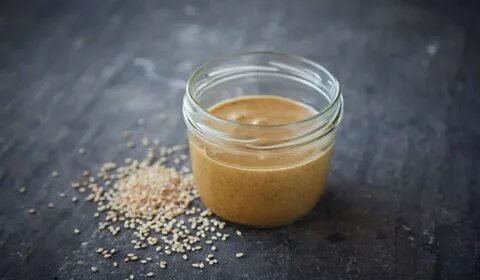
Tahhiini (also spelled tahini) is a creamy sesame paste central to Middle Eastern and Mediterranean recipes. Rich, nutty, and versatile, it’s key in hummus, sauces, and desserts.
What Is Tahhiini?
Tahhiini is a smooth paste made from ground sesame seeds. It’s deeply rooted in Middle Eastern cuisine and widely used in Mediterranean recipes. The term often appears as “tahini” in English.
It delivers a rich, earthy flavor and silky texture that enhances dishes like hummus, baba ganoush, and halva.
History & Cultural Roots
Tahhiini traces back thousands of years. Sesame cultivation appears in texts from Mesopotamia around 3000–3500 BCE.
Early recipes—like hummus kasa from a 13th‑century Arabic cookbook—hint at tahhiini’s long‑standing culinary role.
Its use spread across regions—Egypt, Turkey, Levant, Greece—each weaving tahhiini into their iconic dishes.
How Tahhiini Is Made
- Select sesame seeds – use hulled for smoother texture, unhulled for a deeper flavor.
- Toast lightly – enhances nuttiness; easy to overheat, so watch closely.
- Grind into paste – blend seeds (often with a small amount of oil) until smooth.
- Optionally add oil and salt – to adjust consistency and flavor.
The result: a silky sesame paste with robust flavor and creamy mouthfeel.
Nutrition & Health Benefits
Tahhiini is a nutritional powerhouse. Over half of its calories come from healthy unsaturated fats.
It’s rich in protein, and minerals like calcium, magnesium, iron, and zinc—vital for bone health and metabolism.
It also contains antioxidants (lignans) that help combat inflammation and support heart health.
Versatile Culinary Uses
Middle Eastern Classics
- Hummus – chickpeas blended with tahhiini, lemon, garlic.
- Sauces/dressings – mix tahhiini with water, garlic, lemon juice. Perfect for meats, vegetables.
- Halva and desserts – a sweet treat based on sesame paste.
Creative & Contemporary Uses
- Baking – adds nutty depth to cookies, brownies, banana bread.
- Breakfast – swirl into oatmeal or spread on toast with banana and honey.
- Smoothies and dressings – enriches flavor and texture.
Making Tahhiini at Home
- Use a food processor—seeds go from crumbs to creamy paste with patience.
- Add oil gradually for the perfect pourable texture.
- Troubleshoot: If blending is tough, up the batch size or add more oil.
- Store smart: Keep in a cool place or fridge. Stir separated oil back in before use.
Choosing & Storing Tahhiini
- Found in grocery international sections or Middle Eastern markets.
- Look for hulled seeds for milder taste; unhulled for richer flavor and fiber.
- Store in the pantry short term, refrigerate for longer freshness.
Summary Table
| Feature | Details |
| Main Ingredient | Sesame seeds (hulled or unhulled) |
| Flavor Profile | Nutty, slightly bitter, creamy |
| Uses | Hummus, dressings, baking, breakfasts, sweets |
| Health Benefits | Healthy fats, protein, minerals, antioxidants |
| Preparation | Toast, grind, mix with oil; store well |
Conclusion
Tahhiini (aka tahini) is a centuries‑old, nutrient‑rich gem from Middle Eastern and Mediterranean cuisine. Made from sesame seeds, it brings creamy texture and bold flavor to both savory dishes like hummus and sweet treats. Easy to make at home and full of health perks, it’s a kitchen staple that deserves a spot in every pantry.
FAQs
1. What’s the difference between tahhiini and sesame paste?
They’re nearly the same. Sesame paste in East Asia may use roasted seeds and be darker.
2. Can I use raw seeds instead of toasting?
Yes—but toasting enhances flavor. Raw tahhiini is lighter in taste.
3. How long does tahhiini last?
Unopened, it lasts months in a pantry. Once opened, store in the fridge for freshness.
4. Is tahhiini vegan and gluten-free?
Yes—naturally free of animal products and gluten.
5. Why does oil separate on top?
That’s normal. Stir before use to restore creamy texture.

Candizi is redefining the confectionery world. Blending candy-creativity with sweet branding and a focus on wellness treats, it brings a fresh twist to traditional sweets. In this article, we explore how is capturing hearts and digital spaces alike.
What Is Candizi?
Candizi isn’t just another candy brand. It combines artisanal confectionery with modern marketing and health-conscious choices. Every product reflects thoughtful design, engaging storytelling, and flavors that cater to today’s diverse tastes.
This mix of tradition and innovation makes stand out in a crowded market.
The Rise of Candy-Creativity
Candy has always been about indulgence. But adds a creative edge—unusual flavors, artistic packaging, and limited-edition launches.
This candy-creativity appeals to younger audiences who value both taste and Instagram-worthy aesthetics. It turns simple treats into shareable experiences.
Digital Engagement: Candizi’s Secret Ingredient
In today’s digital-first world, Candizi excels at digital engagement. From interactive campaigns to influencer partnerships, the brand uses social media to build a loyal community.
Live polls, TikTok recipe challenges, and behind-the-scenes videos help customers connect with Candizi on a personal level.
Sweet Branding That Stands Out
Candizi understands the power of sweet branding. Its playful logo, vibrant colors, and quirky messages make it instantly recognizable.
This branding isn’t limited to packaging. It extends to website design, social media tone, and even pop-up events. Every touchpoint delivers the same fun, welcoming vibe.
A Wellness Treat for Modern Consumers
Today’s consumers want sweets without guilt. Candizi answers this demand with wellness treats featuring natural ingredients, reduced sugar, and sometimes vegan or gluten-free options.
This balance of indulgence and health-conscious choices broadens its appeal across all age groups.
Artisanal Confectionery with a Modern Twist
Candizi products celebrate the craft of artisanal confectionery. Handcrafted chocolates, small-batch candies, and seasonal flavors show attention to detail.
This approach combines the charm of traditional candy-making with flavors inspired by global trends.
The Role of Storytelling in Candizi’s Success
Storytelling plays a huge role in Candizi’s marketing. Each product often comes with a fun backstory or theme, turning every purchase into an experience.
This narrative-driven strategy keeps customers engaged and emotionally connected to the brand.
Social Responsibility and Sustainability
Candizi also invests in eco-friendly packaging and fair-trade ingredients. Modern buyers care about sustainability, and Candizi reflects these values without compromising taste or creativity.
Customer Engagement Beyond the Screen
While digital campaigns are key, Candizi also hosts live tasting events and workshops. These activities create a physical space for fans to interact, making the brand feel more personal and authentic.
How Candizi Competes in a Crowded Market
The confectionery market is competitive. But Candizi combines sweet branding, wellness focus, and digital engagement to stay ahead.
By merging health trends, artisanal quality, and online buzz, it appeals to both nostalgic candy lovers and health-conscious millennials.
Conclusion
Candizi is more than candy. It’s a blend of creativity, health awareness, and digital-savvy marketing. From candy-creativity to wellness treats and artisanal confectionery, the brand shows how modern sweets can be fun, guilt-free, and unforgettable.
FAQs About Candizi
1. Is Candizi available worldwide?
Candizi is expanding rapidly, with online shipping covering many regions. Check its website for locations.
2. Are Candizi products healthy?
Many Candizi treats use natural ingredients, offering reduced-sugar or vegan options.
3. How does Candizi engage with customers online?
The brand uses TikTok challenges, Instagram polls, and influencer collaborations for engagement.
4. What makes Candizi different from regular candy brands?
Its focus on artisanal confectionery, wellness options, and strong storytelling sets it apart.
5. Does Candizi support sustainability?
Yes, eco-friendly packaging and fair-trade ingredients are part of its mission.

Galoble Explained: Meaning, Impact, and Real-World Use

PLG Supplies: A Complete Guide to Building Product-Led Success

SOA OS23 Explained: A Modern Blueprint for Modular Systems

Gomyfinance.com Create Budget: A Simple Guide to Managing Your Money Effectively

What is Blogsternation — A Detailed Guide for Bloggers & Creators