Blog
What Is Kirby Dedo? The Complete Guide to the Viral Gesture and Its Meaning


Introduction
Internet culture evolves incredibly fast, and every few months a new trend takes over online conversations, reaction posts, and meme formats. One of the most recent and widely shared examples is kirby dedo, a term that continues to spread across TikTok, X (formerly Twitter), Instagram, and gaming communities. Although it seems simple at first glance, the phrase carries layers of meaning shaped by humor, nostalgia, and the playful nature of digital expression.
Whether you stumbled upon the term in a meme, heard friends joke about it, or saw it trending on your social media feed, chances are you wondered what it really means. This guide breaks it down in clear, simple language while exploring its origin, rise to popularity, and why the internet has embraced it so enthusiastically. By the end, you’ll understand not just the meaning behind kirby dedo, but the cultural power that helped it spread.
Will You Check This Article: Jadeitový kameň: Benefits, Real Effects, and How to Use It Correctly
What Does “Kirby Dedo” Actually Mean?
At its core, kirby dedo refers to online images or animations of the character Kirby—the beloved pink hero from Nintendo—making a pointing finger gesture (“dedo” means “finger” in Spanish). The combination of the cute Kirby aesthetic and the expressive finger pose makes it perfect for reaction memes, playful commentary, and online interactions.
People use kirby dedo in a variety of humorous contexts, from calling out sarcasm to emphasizing a funny remark. The gesture is intentionally exaggerated, which adds to its comedic charm. The meme format typically works as a visual cue to “point something out,” sometimes literally and sometimes ironically.
Where Did the Kirby Dedo Trend Come From?
Like many viral internet expressions, kirby dedo didn’t originate from an official source. Instead, it came from fan-made drawings, GIFs, and edits of Kirby circulating in Spanish-speaking online communities. Over time, the combination of Kirby’s recognizable design and the simplicity of the gesture allowed it to spread quickly into English-speaking platforms as well.
The trend grew even more when content creators began using the image for reaction posts. This encouraged widespread sharing, remixing, and personal variations. Once major meme pages and gaming communities joined in, kirby dedo officially cemented its place in internet culture.
Why the Internet Loves Kirby Dedo
1. It’s Cute, Simple, and Universal
Kirby is already one of the most universally loved game characters. When paired with a clear visual message—a pointed finger—the result is a meme that anyone can understand, regardless of language.
2. It Works in Countless Situations
Need to point out sarcasm?
Calling attention to a mistake?
Highlighting a relatable moment?
Kirby dedo works for all of them. The format is flexible, making it a favorite for creators who want to express emotion quickly and visually.
3. Perfect for Reaction-Based Social Media
Platforms like TikTok, Instagram Stories, and X thrive on short, expressive content. A simple Kirby pointing gesture can communicate tone and intent instantly, making the format ideal for fast-moving digital conversations.
How Kirby Dedo Became a Multi-Platform Phenomenon
TikTok Adoption
Short videos often include the kirby dedo gesture overlayed as a sticker or paired with comedic sound effects. It’s used for storytelling, callouts, and even as a punchline in itself.
Instagram and Facebook Memes
Static images of Kirby pointing are common in meme carousels, especially ones focused on relatable humor or daily life observations.
Gaming Communities
Gamers embraced kirby dedo early, often using it to highlight gameplay mistakes or funny in-game events. Since Kirby has deep roots in Nintendo culture, the meme feels “at home” within gaming spaces.
Spanish-Speaking Growth
Because “dedo” is Spanish for “finger,” Spanish-speaking users contributed significantly to spreading the term internationally. This bilingual crossover helped the phrase enter global meme vocabulary.
Different Variations of the Kirby Dedo Meme
1. Classic Kirby Pointing
The simplest and most shared version features Kirby with one hand outstretched and a confident pointing pose. It’s typically used when calling attention to something obvious or humorous.
2. Angry Kirby Dedo
This version adds an angry or exaggerated expression, great for jokingly calling someone out or reacting dramatically.
3. Cute or Glittery Edits
Some creators add sparkles, pastel colors, or soft filters to make the pointing gesture more adorable. These edits often appear in aesthetic-themed accounts.
4. Animated Kirby Dedo GIFs
Short looping animations amplify the gesture and make it more expressive. These are popular in comment sections and messaging apps.
Why “Kirby Dedo” Ranks So Well in Search Trends
The phrase kirby dedo appeals to several powerful factors that drive search engine interest:
Low Competition + High Curiosity
People encounter the meme first, then search the term because they want context. That combination—low keyword saturation and high user curiosity—naturally increases search volume.
Strong Visual Association
Visual memes tend to create stronger memory retention. Users who recall the image but not the meaning often search the keyword directly.
Cross-Language Appeal
The blend of English and Spanish makes the phrase more distinctive and memorable, which improves organic search interest.
Shareability
The meme’s constant circulation on social platforms boosts overall search visibility. Viral posts often lead audiences directly to Google to learn more.
How to Use Kirby Dedo (Without Misusing It)
Use It to Highlight Something Funny
Whether in a comment or a message, pointing out a relatable moment is one of the best uses of kirby dedo.
Avoid Using It in Serious Conversations
Because the meme is playful, using it in serious or sensitive contexts may give the wrong impression.
Pair It with a Short Caption
Short, punchy phrases work best. Over-explaining reduces the humorous impact.
Keep It Light-Hearted
The charm of kirby dedo comes from its simplicity and silliness. The less serious it is, the more effective it becomes.
Cultural Impact: Why Kirby Dedo Matters More Than It Seems
Even though it’s just a meme, kirby dedo reflects the modern digital landscape where humor, nostalgia, and global cultural exchange blend seamlessly. It demonstrates how online communities reinvent familiar characters to express emotion in new ways. It also shows how a simple phrase—half English, half Spanish—can travel across borders and unite internet users.
In many ways, the meme represents the playful creativity of fan cultures. Kirby has always been a cute and expressive character, so transforming him into a universal reaction gesture feels natural. The fact that kirby dedo continues to grow proves how powerful shared humor can be in bringing people together.
Conclusion
The rise of kirby dedo shows how quickly a small, quirky image can evolve into a global trend. What started as a simple fan edit of Kirby became a cross-platform meme used to deliver humor, sarcasm, and relatable commentary with just one small gesture. Its growth highlights the imaginative nature of online culture and the speed at which communities adopt and Reshad Jones visual symbols.
If you’ve been seeing kirby dedo everywhere, you’re now fully equipped to understand what it means, where it came from, and why people love using it. Whether you plan to use it in your own posts or simply enjoy the ongoing creativity behind it, this charming trend is a perfect example of how even the simplest memes can make a big impact in the digital world.

Introduction
The idea of galoble is gaining attention because it speaks to how people, businesses, and communities now think beyond borders while staying rooted in local reality. In a world that feels more connected than ever, galoble captures the balance between global awareness and grounded, human-scale action. This article explores what galoble truly means, why it matters today, and how it shows up in everyday decisions across industries, cultures, and personal lives. By the end, you’ll understand the concept deeply and see how it can be applied in practical, meaningful ways.
What Does Galoble Really Mean?
At its core, galoble is a blended concept. It combines the reach and perspective of the global world with the sensitivity and relevance of local contexts. Unlike ideas that focus only on worldwide scale or purely local traditions, galoble sits in the middle and draws strength from both sides.
The term reflects a mindset rather than a fixed system. It encourages people to think broadly while acting responsibly within their immediate environment. Galoble is about awareness, respect, and adaptability. It recognizes that what works in one place may need adjustment in another, even if the underlying values remain the same.
This idea didn’t appear overnight. It evolved naturally as cultures mixed, technology shrank distances, and people realized that one-size-fits-all approaches often fail. Galoble thinking grew from real-world experience, not theory, which is why it feels intuitive once you understand it.
The Origins and Evolution of Galoble Thinking
Galoble thinking emerged as a response to extremes. On one end, strict global standardization ignored cultural differences. On the other, rigid localism resisted outside ideas altogether. Neither approach proved sustainable in a fast-changing world.
Over time, individuals and organizations began blending perspectives. They borrowed ideas from different regions while honoring local identity. This gradual shift laid the foundation for what we now call galoble.
Historically, trade routes, migration, and cultural exchange hinted at this mindset. Merchants adapted products to local tastes. Communities adopted foreign ideas but reshaped them to fit traditions. Galoble thinking simply gives language to something humans have practiced for centuries.
Why Galoble Matters in the Modern World
Today’s challenges rarely stop at borders. Climate issues, economic shifts, cultural movements, and technological change all ripple across regions. Galoble matters because it offers a way to respond thoughtfully rather than react blindly.
When people adopt a galoble mindset, they avoid extremes. They don’t dismiss global knowledge, but they also don’t override local needs. This balance leads to smarter decisions and fewer unintended consequences.
Galoble also fosters empathy. Understanding different perspectives builds trust and cooperation. In personal life, it helps people connect across cultures. In professional settings, it supports collaboration without cultural friction.
Galoble in Business and Innovation
In business, galoble thinking influences how products, services, and strategies are designed. Companies that succeed long-term often understand that markets are diverse, even when customers share similar needs.
A galoble approach means listening first. Businesses study regional habits, values, and expectations before making decisions. They then apply broader insights in ways that feel natural locally. This builds loyalty and reduces resistance.
Innovation also benefits from galoble thinking. Ideas drawn from multiple cultures often lead to creative breakthroughs. When teams respect differences instead of flattening them, innovation becomes richer and more human-centered.
Cultural Impact of the Galoble Mindset
Culture is where galoble becomes most visible. Music, food, fashion, and art all reflect global influences shaped by local identity. This blend doesn’t dilute culture; it strengthens it.
For example, a musical style may borrow rhythms from one region and storytelling traditions from another. The result feels fresh yet familiar. That’s galoble in action.
Communities that embrace galoble values tend to be more open and resilient. They adapt without losing themselves. This balance helps preserve heritage while allowing growth and evolution.
Galoble vs. Purely Global or Local Approaches
To understand galoble better, it helps to compare it with more extreme approaches. The table below highlights key differences.
| Approach | Core Focus | Strengths | Limitations |
|---|---|---|---|
| Global-only | Uniform reach and scale | Efficiency and consistency | Ignores cultural nuance |
| Local-only | Tradition and familiarity | Strong identity | Limited adaptability |
| Galoble | Balanced integration | Flexibility and relevance | Requires deeper understanding |
This comparison shows why galoble stands out. It doesn’t reject scale or tradition. Instead, it integrates both thoughtfully.
Everyday Examples of Galoble in Action
Galoble isn’t limited to large systems. It shows up in daily life more often than people realize. A family recipe adapted with ingredients from another culture is galoble. So is a community event that blends traditions from different backgrounds.
Education offers another example. Teaching methods may draw from international research but adapt to local learning styles. This approach respects students while improving outcomes.
Even personal communication can be galoble. Choosing words that resonate across cultures while staying authentic builds stronger relationships. Small choices like these reflect a bigger mindset shift.
Challenges of Adopting a Galoble Perspective
While galoble thinking has clear benefits, it’s not effortless. The biggest challenge is understanding context deeply. Surface-level adaptation can feel forced or insincere.
Another challenge is patience. Galoble approaches often take longer because they involve listening and learning. Quick decisions may be easier, but they’re not always wiser.
There’s also the risk of imbalance. Leaning too far global can erase local meaning. Leaning too far local can limit growth. Maintaining balance requires continuous reflection and adjustment.
How Individuals Can Embrace Galoble Thinking
Adopting a galoble mindset starts with curiosity. Being open to different viewpoints expands understanding. Asking “why” instead of judging builds connection.
Travel, reading, and conversation all help. But galoble thinking doesn’t require crossing borders. It begins at home, by appreciating diversity in your own community.
Practicing empathy is key. When people consider how decisions affect others in different contexts, they naturally move toward galoble thinking. It becomes a habit, not a strategy.
The Future Potential of Galoble
As the world continues to change, galoble thinking will likely become more important. Complex problems demand flexible solutions. Rigid systems struggle, but balanced ones adapt.
Future leaders may be defined by their ability to think galobly. They’ll understand the big picture without losing sight of human detail. This skill will matter in education, governance, creativity, and everyday life.
Galoble isn’t a trend that fades. It’s a response to reality. As connections deepen, the need for balance grows. Those who master this mindset will be better prepared for what comes next.
Conclusion
Galoble represents a powerful way of thinking that blends global awareness with local sensitivity. Throughout this article, we explored its meaning, origins, real-world applications, and challenges. The key takeaway is simple yet profound: balance matters.
By embracing galoble thinking, individuals and organizations can make decisions that are informed, respectful, and effective. It encourages empathy, creativity, and resilience in a connected world. Moving forward, applying this mindset can lead to smarter actions and deeper understanding. Galoble isn’t about choosing sides; it’s about building bridges.
Frequently Asked Questions (FAQs)
What is the simplest definition of galoble?
Galoble means balancing global perspectives with local understanding. It’s about thinking broadly while acting appropriately within specific contexts.
Is galoble a theory or a practical approach?
Galoble is primarily practical. It grows from real-life experiences and decisions rather than abstract models or rigid rules.
Can galoble thinking be applied personally?
Yes, individuals use galoble thinking in communication, learning, and daily choices by respecting diverse viewpoints while staying authentic.
How is galoble different from globalization?
Globalization focuses on worldwide connection. Galoble focuses on balance, ensuring local identity and needs aren’t lost.
Why is galoble becoming more relevant now?
As connections increase and challenges grow more complex, balanced thinking helps people adapt without losing meaning or context.

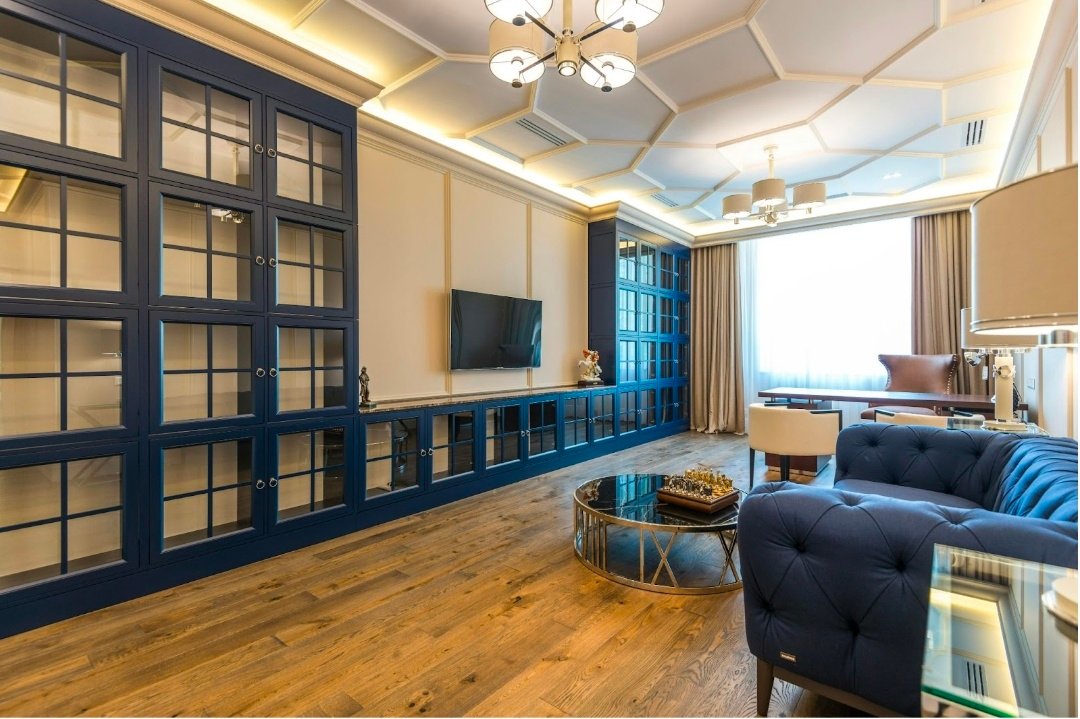
When creating a living space that feels just right, lighting design often remains an afterthought. Yet, lighting plays a pivotal role in shaping the ambiance, functionality, and overall appeal of a room. The glow of a well-placed lamp or the warmth of strategically chosen fixtures has the power to transform any space from ordinary to extraordinary.
This blog will explore why lighting design is an essential element in crafting perfect spaces. You’ll learn the basics of lighting, how it affects mood and productivity, trends revolutionizing the industry, and tips to ensure your home’s lighting enhances every corner.
Understanding the Basics of Lighting Design
A well-rounded understanding of lighting begins with learning the fundamentals. From distinguishing types of light to decoding technical terms, here’s what you need to know.
Natural vs. Artificial Light
Lighting design starts with an awareness of natural and artificial light. Natural light from windows and skylights brings vibrancy and highlights textures, creating a sense of openness. Meanwhile, artificial light gives you more control, allowing for illumination at different times of day or creating specific moods. Balancing these two light sources is key to effective lighting design.
The Three Types of Lighting
Lighting design follows a layered approach that relies on three types of lighting:
- Ambient Lighting – This is the primary light source for a room, typically from ceiling fixtures. It ensures overall visibility and creates a foundation for layering.
- Task Lighting – Designed for specific tasks like reading, cooking, or working. Examples include desk lights or under-cabinet kitchen lighting.
- Accent Lighting – Highlights specific features like artwork, architectural details, or plants. This may come from wall sconces or spotlights.
Combining these three types of lighting creates depth and balance throughout a space.
How to Measure Light
Understanding technical terms like lumens and Kelvin can take your lighting design to the next level:
- Lumens: Measure the brightness of a light source. Higher lumens mean brighter light.
- Kelvin (K): Indicates the color temperature. A warm, cozy light sits around 2700-3000K, while cool daylight falls in the 5000-6500K range.
When planning your home’s lighting, these metrics guide you to pick the ideal solutions for your space.
The Impact of Lighting on Mood and Productivity
Lighting design isn’t just for aesthetic appeal—it profoundly affects mood, productivity, and overall well-being.
Case Studies and Research Findings
Studies consistently show that lighting has psychological and physiological effects. For example:
- Warm lighting fosters relaxation and is perfect for living rooms or bedrooms.
- Cool, bright lighting enhances focus and is ideal for workspaces or kitchens.
- Lighting quality can influence sleep cycles through exposure to blue or warm tones.
For instance, a study published in the Journal of Environmental Psychology found that well-integrated lighting in office spaces improved cognitive performance and reduced fatigue.
Practical Tips for Enhancing Different Spaces
Leverage these actionable tips to elevate your lighting design:
- Living Room: Combine a central fixture with table lamps for layered lighting. Add accent lighting to highlight artwork or decor.
- Kitchen: Use bright task lighting over counters and an ambient ceiling light. Consider under-cabinet lighting for added functionality.
- Bedroom: Rely on soft, warm light from bedside lamps or sconces. A subtle pendant light can deliver aesthetic charm.
Even the smallest lighting adjustments can significantly impact the look and feel of a room.
Trends in Lighting Design
The world of lighting design is evolving rapidly, giving rise to exciting trends. Here are some ideas to consider incorporating into your spaces.
Sustainable and Smart Lighting Solutions
Sustainability is at the forefront of lighting innovation. LED technology is a game-changer, offering energy efficiency, longevity, and a reduced environmental impact. Paired with smart lighting systems like Philips Hue or LIFX, homeowners can adjust brightness, color, and schedules via apps or voice command—a practical and eco-friendly trend.
Embracing Unique Fixtures and Designs
Statement lighting fixtures are growing in popularity. Think sculptural pendants, bold chandeliers, or vintage-inspired wall lamps. These fixtures double as functional assets and artistic elements, adding personality to a room. The trend underscores that lighting design isn’t just about illumination—it’s a creative expression.
Tips for Achieving Great Lighting Design in Your Home
If you’re ready to transform your home with great lighting design, keep these tips in mind.
Considering the Function of Each Space
Each area of your home serves a purpose, and its lighting should reflect that. For example:
- The kitchen must have bright light for cooking.
- The living room should have a mixture of cozy lighting for relaxation and brightness for gatherings.
- A home office demands bright, cool lighting to foster concentration.
Tailor your choices based on the room’s function.
Balancing Natural and Artificial Light
Maximize sunlight by using sheer curtains or placing mirrors strategically to reflect natural light. Then, supplement the natural radiance with artificial lighting that aligns with the room’s needs.
Using Dimmers and Controls
Dimmer switches allow you to adjust light intensity, giving you control over your space’s ambiance. Use them in the dining room for romantic dinners or in the living room for movie nights. Enhanced controls, available in many smart lighting systems, make this even easier to manage.
Illuminate the True Potential of Your Space
Lighting design is more than flicking a switch—it’s about crafting the perfect atmosphere for each corner of your home. The secret to a flawless space lies in the thoughtful layering of light, balancing efficiency with creativity and fostering a setting that feels uniquely yours.
Whether you’re aiming to enhance productivity, create artistic flair, or simply ensure comfort, lighting design can turn any room into a masterpiece. Start exploring these principles now to elevate your home—and don’t forget to look out for the latest innovations in sustainable and smart lighting solutions.
Now, it’s your turn. What lighting design ideas are you excited to try in your home? Share in the comments!

Struggling to get a good night’s sleep or feeling sluggish during the day? You’re not alone. Many of us face challenges balancing restful sleep and staying productive. Enter
Light Therapy Lamps a simple yet effective tool that’s gaining popularity among health enthusiasts, Seasonal Affective Disorder (SAD) sufferers, and wellness seekers. Whether you’re looking to regulate your sleep patterns or improve focus during the day, these lamps could be your next big wellness investment.
Understanding the Science Behind Light Therapy
Light therapy taps into the body’s natural relationship with light to improve overall well-being. Our internal clock, or circadian rhythm, is directly influenced by light exposure. Sunlight, for instance, signals your body to be alert during the day and to wind down at night. However, modern lifestyles often limit sunlight exposure, throwing our natural rhythms off balance.
Here’s where light therapy lamps come in. These devices mimic natural sunlight and emit specific intensities of light measured in lux—without the harmful UV rays. Exposure to these lamps helps regulate melatonin production (the sleep hormone) and serotonin levels (the mood booster), making them powerful aids for improving sleep quality and maintaining a bright mood.
Who Can Benefit from Light Therapy Lamps?
Light therapy lamps are versatile tools for a range of users. Here’s a closer look at who they can help:
- Health Enthusiasts: If you’re committed to optimizing your health, a light therapy lamp is a great addition to your wellness arsenal. It helps regulate sleep and boosts morning energy.
- SAD Sufferers: Seasonal Affective Disorder affects many people during darker months. Light therapy can effectively reduce symptoms, improving mood and energy.
- Wellness Seekers: Even if you don’t have specific sleep or mood issues, light therapy creates the ideal environment for mental and physical well-being.
Key Features to Look for in Light Therapy Lamps
When shopping for a light therapy lamp, it’s important to consider your needs and lifestyle. With so many options on the market, here are the key features to look for:
- Light Intensity: Choose lamps with at least 10,000 lux for effective results. Lower intensities may not deliver the same benefits.
- UV-Free Light: Ensure the lamp is 100% UV-free to protect your skin and eyes while reaping the benefits of bright light.
- Portability: Smaller, lightweight designs allow you to use the lamp at your desk or while traveling.
- Adjustability: Opt for models with multiple brightness settings to custom-tailor your experience.
- Timers and Alarms: Bonus features like built-in timers or sunrise alarms can make the lamp easier to incorporate into your routine.
Incorporating Light Therapy Lamps into Daily Routine
Using light therapy lamps is simple, especially when you make it part of your daily schedule. Here’s how to effectively include them in your routine:
- Start Your Day Right: Position the lamp about 16-24 inches from your face and use it for 20-30 minutes in the morning. The bright light helps signal wakefulness to your body.
- Stick to Consistency: Use the lamp at the same time every day to maintain a steady rhythm in your circadian cycle.
- Avoid Evening Use: Exposure to bright light in the evening could disrupt your sleep cycle. Use the lamp in the early part of the day for the best results.
- Combine with Regular Activities: Read, work, or eat breakfast while using the lamp. This multitasking approach makes the habit feel effortless.
Do’s and Don’ts:
- Do consult a healthcare professional if you have any light sensitivity or medical conditions.
- Don’t stare directly into the light. Position the lamp slightly to the side for indirect exposure.
The Link Between Light Therapy, Sleep, and Productivity
The connection between light therapy and better sleep is well-documented. By normalizing your exposure to light, these lamps help your body stick to a natural wake-and-sleep rhythm. This consistency translates into more restful nights and sharper focus during the day.
Conclusion
Light therapy lamps are a practical, science-backed solution for managing sleep, boosting mood, and enhancing productivity. Perfect for health enthusiasts, SAD sufferers, and anyone seeking optimal well-being, these lamps simplify the art of balancing rest and focus.

Galoble Explained: Meaning, Impact, and Real-World Use

PLG Supplies: A Complete Guide to Building Product-Led Success

SOA OS23 Explained: A Modern Blueprint for Modular Systems

Gomyfinance.com Create Budget: A Simple Guide to Managing Your Money Effectively

What is Blogsternation — A Detailed Guide for Bloggers & Creators