Blog
Bunkralbum: The Hidden Archives of Human Memory


Introduction: bunkralbum
The term bunkralbum might appear unfamiliar to many readers, yet it carries a resonance that feels universal. At its core, the word can be imagined as a symbolic archive of human memory—an invisible vault where stories, emotions, experiences, and cultural artifacts are preserved.While “bunkralbum” is not a dictionary-defined term, it can be interpreted as a hybrid of “bunker,” meaning a protected space, and “album,” a curated collection. Combined, the term offers a rich conceptual framework: a protected collection of memories, ideas, and expressions that humans rely on to understand themselves and the world around them. This idea serves as both a metaphor and a tool to study how societies remember, forget, preserve, and reinvent their identities.
The fascination with such a concept stems from human nature itself. People instinctively gather moments—photographs, journals, objects, songs, traditions, and even digital data—to create continuity in their lives. These memories shape personal identity, stabilize cultural narratives, and offer pathways to wisdom. Yet memory is fragile, prone to distortion, decay, and reinterpretation. The bunkralbum, whether seen as a mythical construct or a philosophical metaphor, represents humanity’s attempt to safeguard meaning in an ever-changing world. Its value lies not in being a physical space but in embodying the essence of collective remembrance.
Moreover, the idea of the bunkralbum highlights a growing modern tension. As we produce unprecedented amounts of information, the challenge is no longer simply remembering but curating. What deserves protection?What should be carrie into the future?What elements of our shared past help us grow, and which ones hold us back? The bunkralbum stands at the intersection of memory, culture, and identity, becoming a powerful symbol for navigating an era defined by information overload. By exploring its meaning, significance, and implications, we gain a deeper understanding of ourselves as storytellers, archivists, and seekers of truth.
People also like this: Unraveling Vhsgjqm: Understanding a Complex Modern Concept
Origins of the Bunkralbum Concept
The imagined origins of bunkralbum can be trace to humanity’s earliest impulse to create sanctuaries for memory. From ancient cave paintings to clay tablets, from medieval manuscripts to family photo albums, people have always sought ways to shield their experiences from the erosion of time. The bunkralbum symbolizes this instinctive urge: a metaphorical bunker built not of steel and concrete but of intention, ritual, and narrative.
Bunkralbum as a Cultural Archive
Viewed culturally, a bunkralbum functions as an archive of traditions, languages, beliefs, celebrations, and struggles. Every culture collects its own memories—myths, songs, oral histories, sacred spaces, and rituals—organizing them into a narrative that shapes identity. Without such an archive, societies lose direction, coherence, and generational continuity.
Memory Preservation in the Digital Age
In today’s digital era, the bunkralbum concept mirrors the function of cloud storage, social media timelines, and digital photo libraries. These tools serve as modern repositories for personal and collective memory. However, their sheer volume creates challenges in curation, authenticity, and permanence, making the bunkralbum an even more urgent metaphor for thoughtful preservation.
The Fragility of Collective Memory
Despite humanity’s efforts to preserve meaning, collective memory remains vulnerable. Wars, colonization, censorship, natural disasters, and technological failures can erase or distort entire historical narratives. The bunkralbum emphasizes the need for intentional safeguarding, reminding us that memory is precious and easily disrupted.
Bunkralbum and Identity Formation
Identity, whether individual or societal, is built from remembered experiences. The bunkralbum represents the subconscious mechanism that selects which stories we keep and which we discard. Every person maintains their own invisible archive, shaping how they see themselves and interpret their place in the world.
Storytelling as a Bunkralbum Tool
Stories are the primary method through which memories are preserve and transmitted. Whether spoken, written, filmed, or sung, storytelling transforms fleeting events into lasting cultural artifacts. The bunkralbum thrives through narrative, using stories as its foundational structure.
Rituals and Traditions as Memory Anchors
Rituals—holidays, ceremonies, rites of passage—serve as anchors for memory within a culture. These traditions ensure that important values, histories, and emotions are preserved. They act as recurring entries in the bunkralbum, reminding communities of their shared identity.
Music and Art as Emotional Archives
Artistic expression functions as a deeply emotional form of memory preservation. Music captures moments of joy, grief, love, and resilience. Visual art holds symbols from eras long gone. Together, they transform the bunkralbum from a conceptual archive into a living emotional landscape.
The Psychology Behind Memory Storage
Psychologically, humans store memories through cognitive encoding processes that determine what is retained or forgotten. The bunkralbum represents the deeper internal systems—conscious and unconscious—that evaluate significance, prioritize emotional impact, and construct long-term identity.
The Role of Forgetting in a Healthy Bunkralbum
Forgetting is often viewed negatively, yet it serves an essential role in mental and social well-being. A bunkralbum overloaded with unfiltered memories would become overwhelming. Forgetting helps manage emotional processing, reduces cognitive load, and creates space for new experiences.
Modern Challenges to Memory Authenticity
In an age of misinformation, edited media, and AI-generated content, the authenticity of preserved memory is frequently questioned. The bunkralbum framework encourages mindfulness in the consumption and preservation of information, emphasizing the need for accuracy and integrity.
Curation: The Art of Choosing What Matters
A valuable bunkralbum is not merely a vast storage space but a carefully curated collection. Curation requires evaluating what memories contribute to growth, healing, or cultural understanding. Without this process, archives become cluttered and lose significance.
Intergenerational Transmission of Memory
The transfer of memories between generations is essential for cultural continuity. From grandparents’ stories to historical documentaries, the bunkralbum expands across time through these acts of transmission. Each generation contributes new chapters while preserving the wisdom of the past.
Bunkralbum as a Tool for Healing
Memory can be both painful and transformative. When communities or individuals face trauma, the bunkralbum becomes a space for processing, acknowledging, and healing. It allows difficult memories to be placed in context without dominating consciousness.
Technology as the New Bunkralbum Architect
Technological tools—from digital archives to AI-assisted documentation—serve as modern architects of the bunkralbum. They build platforms that organize, store, and retrieve vast amounts of data. While powerful, these systems also raise ethical questions about privacy, access, and preservation.
Cultural Loss and the Need for Restoration
When languages die, traditions fade, or artifacts are destroyed, pieces of the bunkralbum disappear. Restoration efforts, such as reconstructing historical sites or revitalizing endangered languages, aim to rebuild the archive and protect cultural identity.
Globalization and the Blending of Bunkralbums
Globalization creates a merging of cultural archives as ideas, traditions, and memories cross borders. While this enriches global culture, it also threatens the uniqueness of local bunkralbums. Balancing preservation and integration becomes a modern challenge.
Personal Bunkralbums and Self-Reflection
On an individual level, journaling, photography, and mindfulness serve as tools for building a personal bunkralbum. These reflective practices help people make sense of their lives, track emotional growth, and construct a coherent sense of self.
The Future of the Bunkralbum Concept
As human civilization becomes increasingly digitized, the bunkralbum will evolve into more complex forms. Virtual reality archives, immersive historical simulations, and AI-generated memory preservation tools will redefine how societies document and experience their pasts.
Conclusion
The concept of the bunkralbum, though fictional in origin, captures a fundamental truth about the human experience: the need to protect our stories. Whether viewed as a metaphor for cultural archives, psychological memory systems, or digital preservation tools, it represents humanity’s unending desire to make meaning from time, experience, and emotion. In a world where information can be lost or distorted, the bunkralbum reminds us of the importance of intentional preservation, thoughtful curation, and honest storytelling. It encourages societies to reflect on what they choose to remember, why they remember it, and how it shapes their identity. Ultimately, the bunkralbum is not a place but a practice—an ongoing commitment to safeguarding the essence of who we are and who we hope to become.

Introduction
The idea of galoble is gaining attention because it speaks to how people, businesses, and communities now think beyond borders while staying rooted in local reality. In a world that feels more connected than ever, galoble captures the balance between global awareness and grounded, human-scale action. This article explores what galoble truly means, why it matters today, and how it shows up in everyday decisions across industries, cultures, and personal lives. By the end, you’ll understand the concept deeply and see how it can be applied in practical, meaningful ways.
What Does Galoble Really Mean?
At its core, galoble is a blended concept. It combines the reach and perspective of the global world with the sensitivity and relevance of local contexts. Unlike ideas that focus only on worldwide scale or purely local traditions, galoble sits in the middle and draws strength from both sides.
The term reflects a mindset rather than a fixed system. It encourages people to think broadly while acting responsibly within their immediate environment. Galoble is about awareness, respect, and adaptability. It recognizes that what works in one place may need adjustment in another, even if the underlying values remain the same.
This idea didn’t appear overnight. It evolved naturally as cultures mixed, technology shrank distances, and people realized that one-size-fits-all approaches often fail. Galoble thinking grew from real-world experience, not theory, which is why it feels intuitive once you understand it.
The Origins and Evolution of Galoble Thinking
Galoble thinking emerged as a response to extremes. On one end, strict global standardization ignored cultural differences. On the other, rigid localism resisted outside ideas altogether. Neither approach proved sustainable in a fast-changing world.
Over time, individuals and organizations began blending perspectives. They borrowed ideas from different regions while honoring local identity. This gradual shift laid the foundation for what we now call galoble.
Historically, trade routes, migration, and cultural exchange hinted at this mindset. Merchants adapted products to local tastes. Communities adopted foreign ideas but reshaped them to fit traditions. Galoble thinking simply gives language to something humans have practiced for centuries.
Why Galoble Matters in the Modern World
Today’s challenges rarely stop at borders. Climate issues, economic shifts, cultural movements, and technological change all ripple across regions. Galoble matters because it offers a way to respond thoughtfully rather than react blindly.
When people adopt a galoble mindset, they avoid extremes. They don’t dismiss global knowledge, but they also don’t override local needs. This balance leads to smarter decisions and fewer unintended consequences.
Galoble also fosters empathy. Understanding different perspectives builds trust and cooperation. In personal life, it helps people connect across cultures. In professional settings, it supports collaboration without cultural friction.
Galoble in Business and Innovation
In business, galoble thinking influences how products, services, and strategies are designed. Companies that succeed long-term often understand that markets are diverse, even when customers share similar needs.
A galoble approach means listening first. Businesses study regional habits, values, and expectations before making decisions. They then apply broader insights in ways that feel natural locally. This builds loyalty and reduces resistance.
Innovation also benefits from galoble thinking. Ideas drawn from multiple cultures often lead to creative breakthroughs. When teams respect differences instead of flattening them, innovation becomes richer and more human-centered.
Cultural Impact of the Galoble Mindset
Culture is where galoble becomes most visible. Music, food, fashion, and art all reflect global influences shaped by local identity. This blend doesn’t dilute culture; it strengthens it.
For example, a musical style may borrow rhythms from one region and storytelling traditions from another. The result feels fresh yet familiar. That’s galoble in action.
Communities that embrace galoble values tend to be more open and resilient. They adapt without losing themselves. This balance helps preserve heritage while allowing growth and evolution.
Galoble vs. Purely Global or Local Approaches
To understand galoble better, it helps to compare it with more extreme approaches. The table below highlights key differences.
| Approach | Core Focus | Strengths | Limitations |
|---|---|---|---|
| Global-only | Uniform reach and scale | Efficiency and consistency | Ignores cultural nuance |
| Local-only | Tradition and familiarity | Strong identity | Limited adaptability |
| Galoble | Balanced integration | Flexibility and relevance | Requires deeper understanding |
This comparison shows why galoble stands out. It doesn’t reject scale or tradition. Instead, it integrates both thoughtfully.
Everyday Examples of Galoble in Action
Galoble isn’t limited to large systems. It shows up in daily life more often than people realize. A family recipe adapted with ingredients from another culture is galoble. So is a community event that blends traditions from different backgrounds.
Education offers another example. Teaching methods may draw from international research but adapt to local learning styles. This approach respects students while improving outcomes.
Even personal communication can be galoble. Choosing words that resonate across cultures while staying authentic builds stronger relationships. Small choices like these reflect a bigger mindset shift.
Challenges of Adopting a Galoble Perspective
While galoble thinking has clear benefits, it’s not effortless. The biggest challenge is understanding context deeply. Surface-level adaptation can feel forced or insincere.
Another challenge is patience. Galoble approaches often take longer because they involve listening and learning. Quick decisions may be easier, but they’re not always wiser.
There’s also the risk of imbalance. Leaning too far global can erase local meaning. Leaning too far local can limit growth. Maintaining balance requires continuous reflection and adjustment.
How Individuals Can Embrace Galoble Thinking
Adopting a galoble mindset starts with curiosity. Being open to different viewpoints expands understanding. Asking “why” instead of judging builds connection.
Travel, reading, and conversation all help. But galoble thinking doesn’t require crossing borders. It begins at home, by appreciating diversity in your own community.
Practicing empathy is key. When people consider how decisions affect others in different contexts, they naturally move toward galoble thinking. It becomes a habit, not a strategy.
The Future Potential of Galoble
As the world continues to change, galoble thinking will likely become more important. Complex problems demand flexible solutions. Rigid systems struggle, but balanced ones adapt.
Future leaders may be defined by their ability to think galobly. They’ll understand the big picture without losing sight of human detail. This skill will matter in education, governance, creativity, and everyday life.
Galoble isn’t a trend that fades. It’s a response to reality. As connections deepen, the need for balance grows. Those who master this mindset will be better prepared for what comes next.
Conclusion
Galoble represents a powerful way of thinking that blends global awareness with local sensitivity. Throughout this article, we explored its meaning, origins, real-world applications, and challenges. The key takeaway is simple yet profound: balance matters.
By embracing galoble thinking, individuals and organizations can make decisions that are informed, respectful, and effective. It encourages empathy, creativity, and resilience in a connected world. Moving forward, applying this mindset can lead to smarter actions and deeper understanding. Galoble isn’t about choosing sides; it’s about building bridges.
Frequently Asked Questions (FAQs)
What is the simplest definition of galoble?
Galoble means balancing global perspectives with local understanding. It’s about thinking broadly while acting appropriately within specific contexts.
Is galoble a theory or a practical approach?
Galoble is primarily practical. It grows from real-life experiences and decisions rather than abstract models or rigid rules.
Can galoble thinking be applied personally?
Yes, individuals use galoble thinking in communication, learning, and daily choices by respecting diverse viewpoints while staying authentic.
How is galoble different from globalization?
Globalization focuses on worldwide connection. Galoble focuses on balance, ensuring local identity and needs aren’t lost.
Why is galoble becoming more relevant now?
As connections increase and challenges grow more complex, balanced thinking helps people adapt without losing meaning or context.

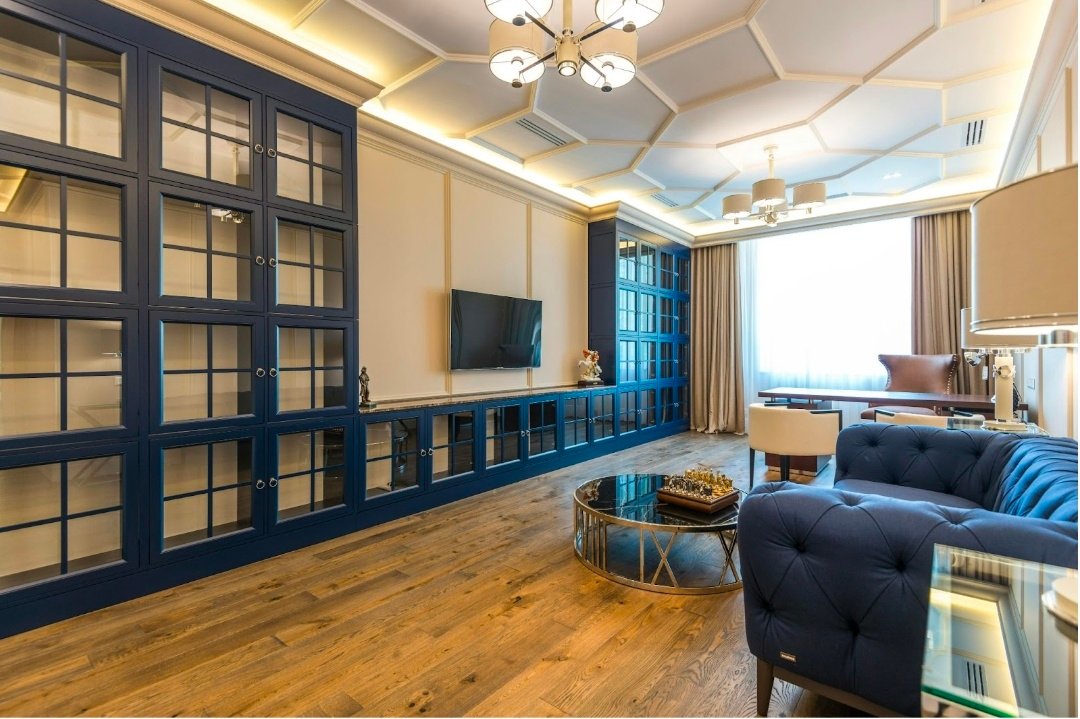
When creating a living space that feels just right, lighting design often remains an afterthought. Yet, lighting plays a pivotal role in shaping the ambiance, functionality, and overall appeal of a room. The glow of a well-placed lamp or the warmth of strategically chosen fixtures has the power to transform any space from ordinary to extraordinary.
This blog will explore why lighting design is an essential element in crafting perfect spaces. You’ll learn the basics of lighting, how it affects mood and productivity, trends revolutionizing the industry, and tips to ensure your home’s lighting enhances every corner.
Understanding the Basics of Lighting Design
A well-rounded understanding of lighting begins with learning the fundamentals. From distinguishing types of light to decoding technical terms, here’s what you need to know.
Natural vs. Artificial Light
Lighting design starts with an awareness of natural and artificial light. Natural light from windows and skylights brings vibrancy and highlights textures, creating a sense of openness. Meanwhile, artificial light gives you more control, allowing for illumination at different times of day or creating specific moods. Balancing these two light sources is key to effective lighting design.
The Three Types of Lighting
Lighting design follows a layered approach that relies on three types of lighting:
- Ambient Lighting – This is the primary light source for a room, typically from ceiling fixtures. It ensures overall visibility and creates a foundation for layering.
- Task Lighting – Designed for specific tasks like reading, cooking, or working. Examples include desk lights or under-cabinet kitchen lighting.
- Accent Lighting – Highlights specific features like artwork, architectural details, or plants. This may come from wall sconces or spotlights.
Combining these three types of lighting creates depth and balance throughout a space.
How to Measure Light
Understanding technical terms like lumens and Kelvin can take your lighting design to the next level:
- Lumens: Measure the brightness of a light source. Higher lumens mean brighter light.
- Kelvin (K): Indicates the color temperature. A warm, cozy light sits around 2700-3000K, while cool daylight falls in the 5000-6500K range.
When planning your home’s lighting, these metrics guide you to pick the ideal solutions for your space.
The Impact of Lighting on Mood and Productivity
Lighting design isn’t just for aesthetic appeal—it profoundly affects mood, productivity, and overall well-being.
Case Studies and Research Findings
Studies consistently show that lighting has psychological and physiological effects. For example:
- Warm lighting fosters relaxation and is perfect for living rooms or bedrooms.
- Cool, bright lighting enhances focus and is ideal for workspaces or kitchens.
- Lighting quality can influence sleep cycles through exposure to blue or warm tones.
For instance, a study published in the Journal of Environmental Psychology found that well-integrated lighting in office spaces improved cognitive performance and reduced fatigue.
Practical Tips for Enhancing Different Spaces
Leverage these actionable tips to elevate your lighting design:
- Living Room: Combine a central fixture with table lamps for layered lighting. Add accent lighting to highlight artwork or decor.
- Kitchen: Use bright task lighting over counters and an ambient ceiling light. Consider under-cabinet lighting for added functionality.
- Bedroom: Rely on soft, warm light from bedside lamps or sconces. A subtle pendant light can deliver aesthetic charm.
Even the smallest lighting adjustments can significantly impact the look and feel of a room.
Trends in Lighting Design
The world of lighting design is evolving rapidly, giving rise to exciting trends. Here are some ideas to consider incorporating into your spaces.
Sustainable and Smart Lighting Solutions
Sustainability is at the forefront of lighting innovation. LED technology is a game-changer, offering energy efficiency, longevity, and a reduced environmental impact. Paired with smart lighting systems like Philips Hue or LIFX, homeowners can adjust brightness, color, and schedules via apps or voice command—a practical and eco-friendly trend.
Embracing Unique Fixtures and Designs
Statement lighting fixtures are growing in popularity. Think sculptural pendants, bold chandeliers, or vintage-inspired wall lamps. These fixtures double as functional assets and artistic elements, adding personality to a room. The trend underscores that lighting design isn’t just about illumination—it’s a creative expression.
Tips for Achieving Great Lighting Design in Your Home
If you’re ready to transform your home with great lighting design, keep these tips in mind.
Considering the Function of Each Space
Each area of your home serves a purpose, and its lighting should reflect that. For example:
- The kitchen must have bright light for cooking.
- The living room should have a mixture of cozy lighting for relaxation and brightness for gatherings.
- A home office demands bright, cool lighting to foster concentration.
Tailor your choices based on the room’s function.
Balancing Natural and Artificial Light
Maximize sunlight by using sheer curtains or placing mirrors strategically to reflect natural light. Then, supplement the natural radiance with artificial lighting that aligns with the room’s needs.
Using Dimmers and Controls
Dimmer switches allow you to adjust light intensity, giving you control over your space’s ambiance. Use them in the dining room for romantic dinners or in the living room for movie nights. Enhanced controls, available in many smart lighting systems, make this even easier to manage.
Illuminate the True Potential of Your Space
Lighting design is more than flicking a switch—it’s about crafting the perfect atmosphere for each corner of your home. The secret to a flawless space lies in the thoughtful layering of light, balancing efficiency with creativity and fostering a setting that feels uniquely yours.
Whether you’re aiming to enhance productivity, create artistic flair, or simply ensure comfort, lighting design can turn any room into a masterpiece. Start exploring these principles now to elevate your home—and don’t forget to look out for the latest innovations in sustainable and smart lighting solutions.
Now, it’s your turn. What lighting design ideas are you excited to try in your home? Share in the comments!

Struggling to get a good night’s sleep or feeling sluggish during the day? You’re not alone. Many of us face challenges balancing restful sleep and staying productive. Enter
Light Therapy Lamps a simple yet effective tool that’s gaining popularity among health enthusiasts, Seasonal Affective Disorder (SAD) sufferers, and wellness seekers. Whether you’re looking to regulate your sleep patterns or improve focus during the day, these lamps could be your next big wellness investment.
Understanding the Science Behind Light Therapy
Light therapy taps into the body’s natural relationship with light to improve overall well-being. Our internal clock, or circadian rhythm, is directly influenced by light exposure. Sunlight, for instance, signals your body to be alert during the day and to wind down at night. However, modern lifestyles often limit sunlight exposure, throwing our natural rhythms off balance.
Here’s where light therapy lamps come in. These devices mimic natural sunlight and emit specific intensities of light measured in lux—without the harmful UV rays. Exposure to these lamps helps regulate melatonin production (the sleep hormone) and serotonin levels (the mood booster), making them powerful aids for improving sleep quality and maintaining a bright mood.
Who Can Benefit from Light Therapy Lamps?
Light therapy lamps are versatile tools for a range of users. Here’s a closer look at who they can help:
- Health Enthusiasts: If you’re committed to optimizing your health, a light therapy lamp is a great addition to your wellness arsenal. It helps regulate sleep and boosts morning energy.
- SAD Sufferers: Seasonal Affective Disorder affects many people during darker months. Light therapy can effectively reduce symptoms, improving mood and energy.
- Wellness Seekers: Even if you don’t have specific sleep or mood issues, light therapy creates the ideal environment for mental and physical well-being.
Key Features to Look for in Light Therapy Lamps
When shopping for a light therapy lamp, it’s important to consider your needs and lifestyle. With so many options on the market, here are the key features to look for:
- Light Intensity: Choose lamps with at least 10,000 lux for effective results. Lower intensities may not deliver the same benefits.
- UV-Free Light: Ensure the lamp is 100% UV-free to protect your skin and eyes while reaping the benefits of bright light.
- Portability: Smaller, lightweight designs allow you to use the lamp at your desk or while traveling.
- Adjustability: Opt for models with multiple brightness settings to custom-tailor your experience.
- Timers and Alarms: Bonus features like built-in timers or sunrise alarms can make the lamp easier to incorporate into your routine.
Incorporating Light Therapy Lamps into Daily Routine
Using light therapy lamps is simple, especially when you make it part of your daily schedule. Here’s how to effectively include them in your routine:
- Start Your Day Right: Position the lamp about 16-24 inches from your face and use it for 20-30 minutes in the morning. The bright light helps signal wakefulness to your body.
- Stick to Consistency: Use the lamp at the same time every day to maintain a steady rhythm in your circadian cycle.
- Avoid Evening Use: Exposure to bright light in the evening could disrupt your sleep cycle. Use the lamp in the early part of the day for the best results.
- Combine with Regular Activities: Read, work, or eat breakfast while using the lamp. This multitasking approach makes the habit feel effortless.
Do’s and Don’ts:
- Do consult a healthcare professional if you have any light sensitivity or medical conditions.
- Don’t stare directly into the light. Position the lamp slightly to the side for indirect exposure.
The Link Between Light Therapy, Sleep, and Productivity
The connection between light therapy and better sleep is well-documented. By normalizing your exposure to light, these lamps help your body stick to a natural wake-and-sleep rhythm. This consistency translates into more restful nights and sharper focus during the day.
Conclusion
Light therapy lamps are a practical, science-backed solution for managing sleep, boosting mood, and enhancing productivity. Perfect for health enthusiasts, SAD sufferers, and anyone seeking optimal well-being, these lamps simplify the art of balancing rest and focus.

Galoble Explained: Meaning, Impact, and Real-World Use

PLG Supplies: A Complete Guide to Building Product-Led Success

SOA OS23 Explained: A Modern Blueprint for Modular Systems

Gomyfinance.com Create Budget: A Simple Guide to Managing Your Money Effectively

What is Blogsternation — A Detailed Guide for Bloggers & Creators