Lifestyles
Sodiceram: Innovation, Durability, and Sustainability in Modern Architecture


Sodiceram has become a trusted name in the world of ceramics. Known for its innovation, durability, and sustainability, products are shaping modern architecture across the globe. This article explores everything you need to know about, its impact on construction, and why it stands out in the ceramics industry.
What is Sodiceram?
Sodiceram is a leading ceramics manufacturer specializing in high-quality tiles and architectural solutions. Its products combine advanced technology with creative designs, making them ideal for both residential and commercial projects.
The company focuses on three core principles:
- Innovation in design and production techniques
- Durability for long-lasting performance
- Sustainability to reduce environmental impact
The Legacy of Sodiceram Ceramics
For decades, Sodiceram ceramics have been used in construction projects worldwide. The brand is known for its attention to detail, producing tiles and ceramics that meet international standards. Architects, interior designers, and homeowners choose Sodiceram for its reliability and style.
Key highlights of Sodiceram ceramics:
- Wide range of textures and colors
- Weather-resistant and low maintenance
- Suitable for indoor and outdoor use
Sodiceram Innovation: Redefining Modern Living Spaces
Innovation drives everything at. From adopting digital printing technology to experimenting with eco-friendly materials, the company stays ahead of trends.
Some innovative features include:
- 3D surface designs for realistic textures
- Anti-slip finishes for safety in wet areas
- Thermal resistance for energy efficiency
These innovations make a favorite choice for contemporary architecture.
Durability: Why Sodiceram Products Last Longer
One of the strongest reasons people choose is durability. Their products undergo strict quality checks to ensure they withstand time, weather, and heavy usage.
Benefits of Sodiceram durability:
- Resistant to cracks and stains
- Withstands temperature changes
- Retains original color and finish for years
This long lifespan makes a cost-effective option for large projects.
Sustainability at the Heart of Sodiceram
Modern construction demands eco-friendly solutions. Sodiceram sustainability efforts include:
- Using recycled raw materials
- Reducing water and energy consumption in production
- Creating products that promote thermal insulation
These practices lower the carbon footprint and support green building certifications like LEED.
Sodiceram in Architecture: Transforming Design Aesthetics
Sodiceram architecture products blend strength with beauty. Their tiles and ceramics enhance the visual appeal of homes, offices, and public spaces.
Popular applications in architecture:
- Facade cladding for modern exteriors
- Interior walls and floors for stylish finishes
- Urban landscaping with durable pavers
Architects use Sodiceram products to create designs that are both functional and visually striking.
Global Reach of Sodiceram Products
exports its products to multiple countries, making it a global brand. Its reputation for quality and design innovation has helped it gain a loyal customer base in Europe, the Middle East, and beyond.
Comparing Sodiceram with Other Brands
While there are many ceramic manufacturers, stands out because it balances:
- Aesthetic appeal
- Technical performance
- Environmental responsibility
Competitors may offer cheaper products, but Sodiceram delivers long-term value through durability and innovation.
Why Choose Sodiceram for Your Next Project?
Here are key reasons Sodiceram is the right choice:
- Versatility: Suitable for residential, commercial, and industrial projects.
- Sustainability: Eco-friendly production processes.
- Design variety: Endless colors, patterns, and finishes.
- Durability: Long-lasting materials reduce replacement costs.
Future of Sodiceram Ceramics
With continuous research, Sodiceram aims to introduce smarter materials, such as self-cleaning surfaces and energy-efficient ceramics. The future looks promising as the company combines technology with design excellence.
Conclusion
Sodiceram is more than just a ceramics brand. It represents innovation, durability, sustainability, and architectural excellence. From modern homes to commercial complexes, Sodiceram products bring beauty, strength, and environmental responsibility together.
FAQs About
1. What makes different from other ceramic brands?
combines innovation, durability, and sustainability, offering eco-friendly products with modern designs.
2. Are tiles suitable for outdoor use?
Yes, products are weather-resistant and ideal for outdoor applications like facades and landscaping.
3. How does support sustainability?
The company uses recycled materials, reduces energy consumption, and promotes thermal insulation in buildings.
4. Can products handle extreme weather?
Yes, their durability ensures resistance to heat, moisture, and freezing temperatures.
5. Where can I buy products?
products are available through authorized dealers and distributors worldwide.
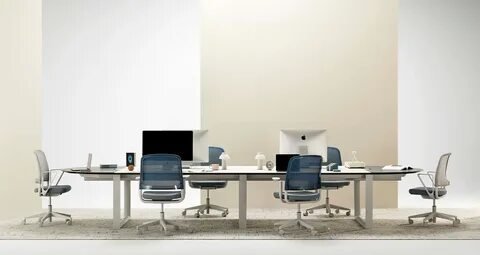
Lufanest has quickly become a name synonymous with comfort innovation, lifestyle branding, and sustainable design. In today’s fast-paced world, where wellness and modern identity drive consumer choices, stands out as more than a product—it represents a holistic lifestyle concept.
This article explores Lufanest in depth, analyzing its features, philosophy, and growing impact on wellness-oriented living. Drawing insights from top-ranking sources, we’ll uncover how bridges comfort, sustainability, and modern design to create a brand that resonates with today’s conscious consumers.
What is Lufanest? A Quick Introduction
Lufanest is widely recognized as a wellness-focused lifestyle brand committed to enhancing comfort through innovative design and eco-friendly practices. At its core, Lufanest combines:
- Comfort Innovation: Products designed for ultimate ease and relaxation.
- Sustainable Design: Materials and processes that minimize environmental impact.
- Lifestyle Branding: A modern identity aligned with health, mindfulness, and sustainability.
From furniture and home essentials to wellness accessories, integrates technology, design thinking, and nature-inspired elements to deliver products that redefine living spaces.
The Rise of Comfort Innovation: Lufanest’s Approach
A New Era of Comfort
Traditional comfort products often focused on function alone. brings comfort innovation by merging function with aesthetic appeal, ergonomic design, and eco-conscious materials.
Its philosophy centers on three pillars:
- Human-Centered Design – Products cater to physical comfort and emotional well-being.
- Sustainability – Use of recycled and ethically sourced materials.
- Technology Integration – Smart features for modern living convenience.
This approach has positioned as a leader in next-generation home and lifestyle solutions.
Wellness Concept at the Heart of Lufanest
Creating Spaces that Heal and Inspire
The wellness concept drives Lufanest’s product design. Each product aims to transform living spaces into sanctuaries of peace and health. Examples include:
- Ergonomic furniture that supports posture and reduces physical strain.
- Air-purifying elements to improve indoor air quality.
- Mindful designs inspired by nature for stress reduction.
This aligns with the growing consumer demand for products that not only serve practical purposes but also contribute to mental and physical well-being.
Lifestyle Branding: Building a Modern Identity
Beyond Products: Creating a Movement
doesn’t sell just furniture or décor; it sells a lifestyle. Through lifestyle branding, the company creates a modern identity appealing to millennials, Gen Z, and eco-conscious buyers.
Key branding elements include:
- Minimalist Aesthetics: Simple, clean designs suitable for modern homes.
- Eco-Friendly Messaging: Transparency in sourcing and production.
- Digital Presence: Storytelling through blogs, social media, and virtual experiences.
This strategy has helped build a community of loyal customers who identify with its values and design philosophy.
Sustainable Design: Lufanest’s Eco-Friendly Promise
Materials That Matter
Sustainability is at the core of Lufanest’s modern identity. The brand uses:
- Recycled wood for furniture frames.
- Organic fabrics for cushions and covers.
- Water-based finishes to reduce chemical exposure.
The company also partners with environmental organizations to offset carbon emissions, ensuring its growth doesn’t harm the planet.
Innovation Meets Aesthetics: The Design Philosophy
Lufanest products embody functional beauty. Each design balances form and function, resulting in products that look stylish while serving practical needs.
The design philosophy includes:
- Modular Concepts for flexible living spaces.
- Neutral Color Palettes for timeless appeal.
- Smart Home Integration for tech-savvy consumers.
This marriage of aesthetics and utility makes Lufanest products suitable for modern, urban lifestyles.
User Experience and Product Usability
Designed for Real Life
Lufanest products are easy to use, assemble, and maintain. For example:
- Tool-free furniture assembly saves time and reduces frustration.
- Multi-functional designs serve multiple purposes in compact spaces.
- Durable materials ensure long-lasting comfort and value.
The usability factor makes Lufanest popular among city dwellers and young professionals who seek style, function, and convenience in one package.
Lufanest in the Digital Age: Online Presence and Reviews
Transparency Through Digital Channels
Lufanest leverages digital platforms to communicate directly with customers. Features like:
- Virtual product tours
- Customer review sections
- Sustainability reports
…help build trust and encourage informed buying decisions. Positive reviews often highlight comfort, quality, and eco-friendliness as major selling points.
Comparing Lufanest with Competitors
What Sets It Apart
While many brands focus on comfort or sustainability, few integrate both with lifestyle branding. Lufanest’s differentiators include:
- Holistic Wellness Concept: Physical and mental well-being combined.
- Eco-Friendly Innovation: Beyond buzzwords, with measurable initiatives.
- Modern Identity: Aesthetic consistency across products and platforms.
These factors position Lufanest as a premium yet accessible lifestyle brand.
Global Reach and Cultural Adaptation
Designing for Diverse Lifestyles
Lufanest products cater to different cultures and living conditions. Whether it’s compact apartments in urban areas or spacious suburban homes, the brand offers adaptable solutions that respect local needs while maintaining global design standards.
The Future of Lufanest: Trends and Predictions
As consumer demand for wellness-focused, sustainable living grows, Lufanest is expected to:
- Expand into smart wellness technology.
- Launch eco-certifications for product transparency.
- Partner with green architects for integrated lifestyle solutions.
This positions Lufanest at the forefront of the wellness and design innovation industry.
Conclusion: Why Lufanest Matters
Lufanest represents more than comfort or design—it symbolizes a shift toward mindful, sustainable living. With its focus on comfort innovation, lifestyle branding, and wellness concepts, Lufanest caters to a new generation seeking balance, beauty, and responsibility in their homes.
By combining sustainable design, modern identity, and high usability, Lufanest continues to set benchmarks for the future of home and lifestyle products.
FAQs About Lufanest
1. What products does Lufanest offer?
Lufanest provides furniture, home essentials, and wellness accessories designed for comfort, sustainability, and modern aesthetics.
2. Is Lufanest eco-friendly?
Yes. Lufanest uses recycled materials, organic fabrics, and sustainable production methods to minimize environmental impact.
3. How does Lufanest support wellness?
Its products improve physical comfort, indoor air quality, and mental well-being through ergonomic and mindful design principles.
4. Where can I buy Lufanest products?
You can purchase Lufanest items from its official website and authorized retailers worldwide.
5. What makes Lufanest different from competitors?
Lufanest uniquely combines comfort innovation, lifestyle branding, and sustainable design for a holistic living experience.

Simpciry is more than just a design choice or lifestyle trend. It’s about creating clarity, reducing chaos, and making life easier. From technology to personal routines, embracing simplicity brings focus, efficiency, and peace of mind.
This article explores the meaning, benefits, and practical steps to achieve simpciry in work, life, and design.
What Is Simpciry?
At its core, simpciry means removing the unnecessary and keeping what truly matters. It’s linked to minimalism, clarity, ease, and effortlessness.
Whether in product design, writing, or daily routines, simpciry ensures things are clear, functional, and enjoyable. The goal is simple: less clutter, more impact.
Why Simpciry Matters Today
Modern life is full of distractions. We face endless notifications, choices, and information overload. Simpciry offers relief by:
- Reducing stress: A clear environment brings mental peace.
- Boosting focus: Fewer distractions mean better productivity.
- Improving usability: Simple designs are easier to use and understand.
- Encouraging sustainability: Minimal living often means less waste.
In a fast-moving world, simplicity isn’t a luxury—it’s a necessity.
Principles of Simpciry
Most top-ranking articles highlight similar principles when applying simplicity in life or design:
- Clarity First
Remove confusion. Every element should have a clear purpose. - Ease of Use
Whether designing a website or planning a day, make things intuitive. - Minimalism Over Excess
Keep only what adds value. Eliminate the rest. - Consistency
Repetition and patterns help users or readers feel comfortable. - Functionality Before Beauty
Design should work well first; aesthetics come second.
Simpciry in Design
Simplicity in design isn’t about making things plain. It’s about effortless usability.
Apple’s clean interfaces, Google’s search page, and minimalist websites all prove that less can be more.
Key rules for design simplicity:
- Use clear fonts and white space.
- Limit colors and visual noise.
- Keep navigation simple and direct.
- Focus on essential features only.
A simple design saves users time and prevents frustration.
Simpciry in Daily Life
Life becomes easier when we cut the clutter. Here’s how to practice simplicity daily:
- Declutter your home: Keep only what you need.
- Simplify your schedule: Say no to unnecessary commitments.
- Limit digital noise: Turn off non-essential notifications.
- Adopt minimalist fashion: Fewer clothes, easier choices.
Each small step reduces mental and physical chaos.
Benefits of Simpciry
Embracing simpciry leads to:
- Better focus: Less clutter means sharper thinking.
- Higher productivity: Time saved from managing distractions.
- Improved well-being: A calm mind and cleaner space.
- Financial freedom: Buying less saves money.
Many people also report better mental health when they adopt minimalist habits.
Simpciry vs. Minimalism
While often linked, the two differ slightly:
- Minimalism is a lifestyle choice focusing on fewer possessions.
- Simpciry applies to all areas—design, tech, work, and life.
You can practice simplicity without living an extreme minimalist lifestyle.
Practical Steps to Achieve Simpciry
- Start small: Tidy one space, simplify one habit.
- Set priorities: Focus on what truly matters to you.
- Automate tasks: Use tools to reduce repetitive work.
- Practice digital minimalism: Declutter your phone and inbox.
- Review regularly: Keep checking for unnecessary complexity.
The key is consistent action, not overnight change.
Simpciry in Technology
Technology often becomes overwhelming with endless features. Simplicity here means:
- User-friendly interfaces
- Clear instructions
- Fast loading times
- Minimalistic design choices
Apps like Notion, Trello, and Calm succeed because they prioritize ease and clarity.
The Future of Simpciry
As AI, automation, and information grow, simplicity will become even more important. Businesses, creators, and individuals who focus on clarity and usability will stand out in the digital age.
Conclusion
Simpciry isn’t about doing less for the sake of it. It’s about making life easier, clearer, and more meaningful. Whether in design, technology, or personal habits, simplicity offers focus, peace, and better results.
FAQs About Simpciry
1. What does simpciry mean?
Simpciry means removing clutter and focusing on clarity, ease, and purpose.
2. How is simpciry different from minimalism?
Minimalism is a lifestyle; simpciry applies to life, design, and technology.
3. Why is simpciry important in design?
It makes products easier to use, understand, and enjoy.
4. How can I add simplicity to my life?
Declutter your home, reduce digital noise, and simplify your schedule.
5. What are the benefits of simpciry?
Better focus, less stress, improved productivity, and financial savings.
Nestled in Southern California, California FV refers to Fountain Valley—a charming city in Orange County. Let’s explore its appeal, lifestyle, parks, schools, and more.
What Is California FV?
California FV is shorthand for Fountain Valley, California, a suburban city in Orange County with about 57,000 residents as of the 2020 census. Fountain Valley sits between Huntington Beach and central Orange County, offering a relaxed yet connected lifestyle.
Where Is Fountain Valley Located?
Fountain Valley sits adjacent to Huntington Beach to the south and west, Westminster and Garden Grove to the north, Santa Ana to the northeast, and Costa Mesa to the southeast. Its eastern edge touches the Santa Ana River.
A Nice Place to Live in Southern California
Incorporated in 1957, Fountain Valley earned its name from a naturally high water table that once made artesian wells common. Drainage canals were built to support the farmland that once dominated the area. Today, it’s known for its peaceful neighborhoods—a real “A Nice Place to Live.”
Life & Recreation: Mile Square Park
One of Fountain Valley’s best gems is Mile Square Regional Park. At 640 acres, the park features lakes, three 18-hole golf courses, an archery range, sports fields, picnic zones, courts, a gym, a nature area, and a community center. It was built on a former naval landing field—hence the square layout bound by Edinger, Warner, Brookhurst, and Euclid.
Community & Education
Fountain Valley boasts a strong education network:
- Fountain Valley School District serves K–8 with around 6,100 students.
- Fountain Valley High School (part of Huntington Beach Union High School District) serves grades 9–12 with roughly 3,130 students as of 2023–24.
- Valley Vista High School is a continuation school focused on arts, vocational, and adult education.
Local Business & Economy
Fountain Valley merges business with a friendly vibe:
- It’s nicknamed “Business‑Ready, Business‑Friendly.”
- Headquarters for companies like Hyundai Motor America, Kingston Technology, D‑Link, and Surefire are located here.
- Top employers include Orange Coast Memorial Medical Center, UCI Health, Memorial Health Services, and Hyundai.
Events & Culture
The city’s Summerfest held each June at Mile Square Park features rides, booths, and a car show.it also has its own community newsletter and local publications like the “Fountain Valley View.” Nearby Huntington Beach adds coastal vibes and beach attractions to the neighborhood experience.
Why “California FV” Matters
Using the term “California FV” optimizes content relevance for searchers targeting Fountain Valley in Orange County, especially when paired with location-related keywords like Southern California, Huntington Beach, and Mile Square Park. It immediately signals both place and region, improving semantic matching for search queries.
Conclusion
California FV—Fountain Valley in Orange County—is a vibrant yet calm suburban city in Southern California. Known for its parks (especially Mile Square Park), strong schools, and thriving economic scene, truly earns its motto: “A Nice Place to Live.”
Whether you’re exploring family life, business growth, or community events, Fountain Valley delivers. The blend of parks, education, accessibility, and cultural proximity makes it a standout in Orange County.
FAQs
1. What does “FV” stand for in “California FV”?
“FV” is short for Fountain Valley, a city in Orange County, California—often referred to as “California FV.”
2. Is Mile Square Park located in Fountain Valley?
Yes! Mile Square Regional Park spans 640 acres within Fountain Valley and offers golf, lakes, courts, and nature areas.
3. Is Fountain Valley near Huntington Beach?
Absolutely. Fountain Valley borders Huntington Beach on its south and west sides.
4. How big is the population of Fountain Valley?
As of the 2020 census, Fountain Valley had a population of about 57,047 residents.
5. Which schools serve Fountain Valley students?
For K–8, there’s the Fountain Valley School District (about 6,165 students). For high school, there’s Fountain Valley High School and Valley Vista High School for continuation learning.

Simbramento: A Deep Dive into Its Meaning, Origins, and Modern Applications

fontlu and the New Era of Creative Typography Design

Woeken and the New Language of Online Expression

Gomyfinance.com Create Budget: A Simple Guide to Managing Your Money Effectively

What is Blogsternation — A Detailed Guide for Bloggers & Creators