Blog
Coomer Su: Understanding the Risks, Legal Concerns, and Online Safety


In the age of the internet, new terms and online trends emerge constantly. One such term that has caught attention is “Coomer Su.” This phrase, primarily circulating in certain online communities, raises questions about the risks associated with certain websites, legal issues, and how users can maintain their safety while navigating these spaces. In this article, we will dive deep into the meaning behind “Coomer Su,” explore its associated risks, examine the legal concerns it may involve, and discuss essential safety precautions to protect yourself online.
What is Coomer Su?
At the most basic level, the term “Coomer Su” is linke to internet culture, often used in relation to certain types of websites and communities that involve adult content, pornography, or highly explicit material. While the specific term itself may vary in meaning across different groups, it generally refers to an identity or behavior characterized by an obsessive consumption of adult material. This behavior can have consequences on both personal and social levels, and understanding it is key to recognizing potential risks.
The term “Coomer” itself comes from internet slang, specifically from a meme culture. It often depicts a person (or persona) who is excessively focuses on, and often consumed by, online adult content. The “Su” in “Coomer Su” can imply several things, but it is often use in the context of online spaces that cater to a more extreme or niche segment of internet users.
The Risks Associated with Coomer Su
With any online trend or subculture, there are inherent risks, and “Coomer Su” is no exception. These risks extend beyond just the personal and psychological. They can also involve significant issues in the realm of privacy, security, and even legal matters.
1. Privacy and Data Security
One of the most pressing concerns when engaging with websites or communities associated with Coomer Su is the risk to personal privacy. Many of these websites often collect large amounts of personal data from their users, ranging from basic information to more sensitive data such as payment information. Unfortunately, many of these websites do not adhere to strict privacy or data protection standards, making users vulnerable to data breaches or cyberattacks.
The presence of third-party trackers, malware, and even ransomware on these types of websites can further compromise a user’s privacy. The constant data collection by some adult websites could also result in personal information being sold to other parties, including advertisers, without your explicit consent.
2. Mental and Emotional Impact
Engaging in excessive consumption of adult material, which is often associated with the “Coomer” persona, can have significant psychological effects. Studies have shown that overexposure to explicit material may lead to desensitization, meaning users may need to consume even more extreme material to achieve the same level of satisfaction. This can create a cycle of compulsive behavior that is hard to break.
Additionally, the isolation often experienced by individuals engaging in this behavior can lead to social withdrawal, emotional instability, and a distorted perception of relationships and intimacy. These impacts can strain personal relationships and lead to feelings of loneliness, guilt, or shame.
3. Financial Exploitation
Many websites that cater to individuals identified by terms like Coomer Su may also involve financial risks. Some websites offer subscription-based services, paid memberships, or exclusive content that may seem harmless at first but later lead to financial exploitation. In some cases, users may find themselves drawn into a pattern of repeated purchases or subscriptions that they did not intend to make. In extreme cases, these types of sites may also be involve in fraudulent schemes, further putting users at risk of financial harm.
Legal Concerns with Coomer Su
Legal concerns related to “Coomer Su” or any online activity involving adult content are complex. While adult content itself is legal in many countries, the way it’s consume and the platforms it’s accesse from can introduce significant legal problems.
1. Illegal Content
One of the most alarming risks associated with websites related to Coomer Su is the potential for exposure to illegal content. Some websites, especially those operating on the fringes of internet culture, may host or distribute explicit material that is illegal. This can include content involving minors, non-consensual acts, or even videos that violate intellectual property rights. Visiting these sites—even unknowingly—can expose a person to serious legal consequences, including criminal charges.
Additionally, many websites that may be associated with Coomer Su content are not regulated by the same legal frameworks as traditional adult entertainment platforms. This lack of oversight can lead to an increased chance of exposure to illegal material or even involvement in illegal activities, such as pirating adult content.
2. Age Verification and Consent
Age verification is another major legal issue when it comes to adult content online. In many jurisdictions, it is illegal for minors to access adult material. However, not all websites enforce age checks adequately, leaving the door open for younger individuals to access explicit material. For individuals who are in charge of creating or distributing adult content, failing to obtain consent or verify the ages of participants can lead to legal trouble as well.
It’s crucial that individuals who consume adult material, particularly from less reputable websites, understand the importance of verifying the legitimacy of the content they are accessing. Users should be aware of how websites handle consent and ensure they are not violating any local laws.
How to Stay Safe Online
With the many risks associated with Coomer Su, it is essential for users to adopt a more cautious approach to navigating these online spaces. By implementing key safety practices, you can protect yourself from the dangers that come with these websites.
1. Use VPNs and Secure Networks
One of the best ways to safeguard your privacy when browsing online is by using a virtual private network (VPN). A VPN masks your IP address and encrypts your internet traffic, making it harder for third parties to track your online activities. This added layer of security is essential when visiting websites that may not be trustworthy.
Additionally, always ensure that the network you’re connecte to is secure, particularly when using public Wi-Fi. Public networks are often not encrypted and are easier targets for cybercriminals.
2. Install Anti-Virus and Malware Protection
Given the prevalence of malware on many adult websites, it’s important to have up-to-date antivirus software installed on your devices. This software will help detect and block malicious files that might infect your computer. Anti-malware programs also help detect potentially unwanted programs (PUPs) and spyware, which may be used to track your browsing activities or steal your personal information.
3. Educate Yourself on the Risks
Education is a critical part of staying safe online. Always read the terms of service and privacy policies of the websites you visit. Understand how your data is being used and whether the site has been subject to any previous data breaches or security incidents. Additionally, always keep up with news and trends related to online safety and digital privacy, as threats continue to evolve.
4. Set Boundaries and Take Breaks
If you find yourself spending excessive time on websites that could be related to Coomer Su, consider setting personal boundaries. Taking breaks from online activities and limiting your exposure to explicit material can have significant mental health benefits. Additionally, if you feel that your consumption habits are becoming compulsive or affecting your emotional well-being, it might be worth seeking support or guidance from a mental health professional.
Conclusion
In conclusion, while the term “Coomer Su” is often tied to certain online communities, the risks associated with engaging with such spaces cannot be ignored. Privacy concerns, financial exploitation, and legal issues are just some of the challenges individuals face when exploring these corners of the internet. By understanding these risks and adopting proper safety measures, users can protect themselves from potential harm.
Ultimately, it’s important to recognize that online behavior is something that should be managed with responsibility and awareness. By making informed decisions, practicing good cybersecurity habits, and setting healthy boundaries, you can significantly reduce the risks associated with Coomer Su and other similar online trends.
Introduction
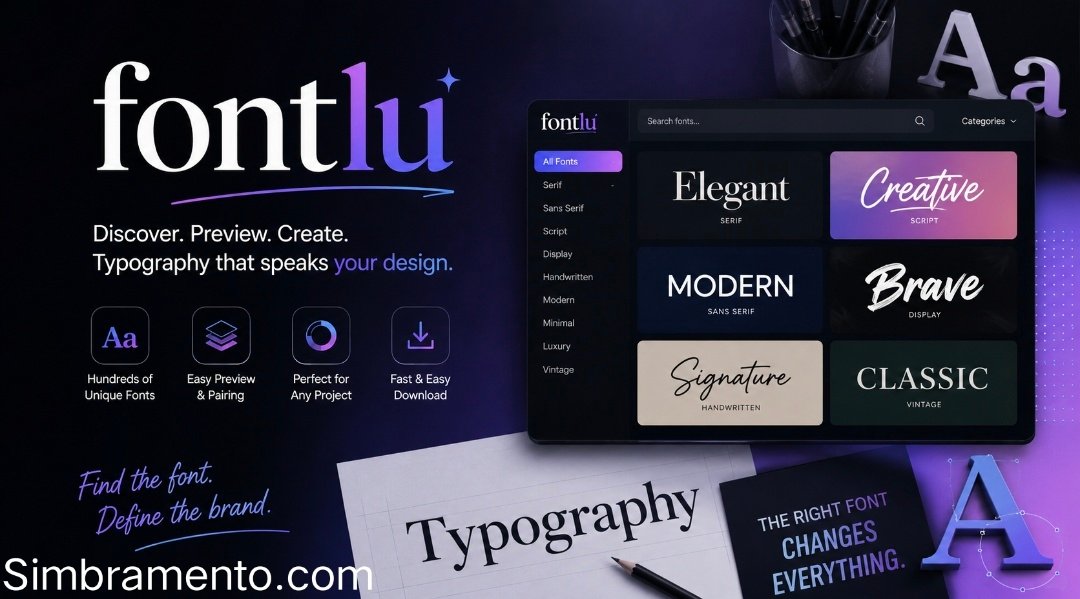
Typography has always shaped the way people experience written communication. From newspapers and branding to websites and mobile applications, the style of text silently influences emotion, trust, readability, and identity. In recent years, platforms focused entirely on font discovery and typography management have gained strong attention among designers and creative professionals. One name increasingly appearing in discussions around modern type exploration is fontlu.
The rise of fontlu reflects a broader shift in how creators approach visual communication. Fonts are no longer treated as minor decorative elements. They now carry strategic importance in branding, storytelling, interface design, and audience engagement. Whether someone is building a startup identity, designing a product label, or creating social media graphics, typography often becomes the first visual cue that shapes perception.
What makes fontlu interesting is its positioning as more than a simple font directory. It appears to combine typography discovery, creative inspiration, font previews, and accessibility into one streamlined experience. Various online discussions and reviews describe fontlu as a growing resource for designers searching for modern, stylish, and practical typefaces.
The growing popularity of typography-focused platforms also reflects changing creative habits. Designers today move quickly between branding projects, interface layouts, content graphics, and marketing materials. They need efficient access to readable, visually balanced, and emotionally appropriate fonts. In that environment, fontlu represents a modern response to an old design challenge: finding the right typeface without wasting time or sacrificing quality.
What Is fontlu
fontlu is an online typography and font discovery platform designed to help creators explore, preview, organize, and use different font styles for creative projects. Multiple online sources describe fontlu as a platform offering both free and premium typefaces alongside typography inspiration and design-focused tools.
READ MORE: Woeken and the New Language of Online Expression
Unlike traditional font archives that simply store downloadable files, fontlu appears to focus on the overall typography experience. Users can browse categories, preview fonts in real time, test visual combinations, and identify styles suited for logos, branding, presentations, websites, and creative campaigns.
The concept behind fontlu aligns with the modern understanding of typography. Fonts are no longer isolated design assets. They are part of communication strategy. A luxury brand may use elegant serif lettering to suggest sophistication, while a technology company may prefer minimalist sans-serif styles that communicate clarity and efficiency. Platforms like fontlu help bridge the gap between technical font selection and emotional visual storytelling.
Another reason fontlu stands out is accessibility. Many typography platforms overwhelm beginners with technical language and complex licensing structures. Reviews discussing fontlu frequently mention ease of navigation and beginner-friendly browsing experiences. That accessibility matters because typography is no longer reserved only for professional designers. Small business owners, students, creators, marketers, and content producers all rely on strong visual communication.
Why Typography Matters More Than Ever
The importance of typography has expanded dramatically over the last decade. People now consume information across phones, tablets, laptops, advertising displays, packaging, streaming platforms, and social applications. Every one of those environments depends on readable and emotionally effective typography.
A poorly chosen font can weaken a message instantly. Readers may feel confused, distracted, or disconnected without consciously understanding why. On the other hand, the right typeface creates clarity and trust. It improves reading flow, strengthens brand identity, and guides visual attention naturally.
fontlu operates within this changing creative environment. By helping users discover fonts more efficiently, it addresses one of the most overlooked challenges in design: decision fatigue. Many designers spend hours testing fonts because the wrong typography choice can damage an otherwise strong project.
Typography also affects emotional interpretation. Rounded fonts may feel friendly and casual, while sharp geometric lettering can appear futuristic or authoritative. Handwritten styles create intimacy, while bold condensed fonts communicate urgency and power. The psychology behind typography is subtle but extremely influential.
Modern consumers often make judgments within seconds. That means typography contributes directly to first impressions. Businesses increasingly understand that font selection is not simply aesthetic decoration. It shapes how audiences perceive professionalism, credibility, creativity, and personality.
The Features That Make fontlu Attractive
One reason fontlu continues attracting attention is the combination of usability and creative flexibility. Reviews and discussions surrounding the platform highlight several qualities that appeal to both experienced designers and beginners.
A major strength appears to be font categorization. Instead of forcing users to search endlessly, fontlu organizes styles in ways that reflect practical design needs. Someone working on luxury branding may quickly explore elegant serif collections, while a creator producing gaming content may look for futuristic or experimental typography.
Preview functionality also plays a major role. Designers often struggle to imagine how fonts will look in real-world layouts. Platforms like fontlu reduce that uncertainty by allowing instant text previews and style experimentation. This speeds up creative workflows significantly.
Another appealing aspect is creative inspiration. Modern typography platforms increasingly function as idea ecosystems rather than simple storage libraries. fontlu seems positioned within this trend by helping users explore design moods, visual combinations, and contemporary lettering styles.
Some sources also mention workflow integration and deployment support, suggesting that fontlu may help streamline the transition between discovery and implementation. For professionals managing multiple projects, efficiency matters almost as much as artistic quality.
How fontlu Supports Branding and Identity
Brand identity depends heavily on consistency. Colors, logos, layouts, and typography work together to create recognition. Among these elements, typography often carries the emotional tone of a brand more directly than any other visual component.
A law firm using playful handwritten fonts would appear unreliable. A children’s toy company using rigid corporate lettering might feel emotionally disconnected. Typography helps audiences understand a brand before they even read the message itself.
fontlu supports branding by offering diverse font styles that match different communication goals. Startups often search for clean modern typography that feels innovative and approachable. Luxury businesses prefer elegant fonts associated with exclusivity and refinement. Creative industries frequently experiment with bold display fonts to build memorable identities.
What makes typography especially powerful is repetition. Once audiences repeatedly encounter the same lettering style, it becomes psychologically linked with the brand itself. This is why major companies protect and maintain consistent typography systems across packaging, advertising, websites, and social content.
Platforms like fontlu simplify the discovery process by helping creators compare styles quickly. Instead of randomly testing fonts from scattered sources, designers can explore structured collections aligned with specific visual moods and industries.
The Difference Between Fonts and Typefaces
Many people use the words “font” and “typeface” interchangeably, but they are technically different concepts. A typeface refers to the overall visual design family, while a font represents a specific variation within that family, such as size, weight, or style.
For example, Helvetica is a typeface, while Helvetica Bold Italic represents a font variation within that typeface family. Understanding this distinction helps explain why typography platforms organize styles into families and categories rather than isolated files.
fontlu appears designed to simplify these technical concepts for everyday users. Instead of overwhelming beginners with typography theory, it focuses on usability and practical exploration. That balance matters because many creators care more about visual impact than technical terminology.
Still, typography knowledge remains valuable. Understanding weight, spacing, readability, hierarchy, and contrast helps users make stronger creative decisions. As typography becomes more influential across media platforms, design literacy continues expanding beyond professional circles.
The Growing Culture of Font Exploration
Typography has evolved into its own creative culture. Designers now discuss fonts with the same passion that photographers discuss cameras or filmmakers discuss lenses. Entire communities exist around font pairing, experimental lettering, minimalist typography, and visual identity systems.
fontlu fits naturally into this growing culture because it supports exploration. Instead of treating typography as purely functional, it encourages experimentation and creative discovery. This shift reflects a larger transformation in visual communication. Modern audiences respond strongly to aesthetics, personality, and originality.
Social media platforms accelerated this movement. Creators constantly search for typography styles that help content stand out visually. Whether someone designs thumbnails, advertisements, quotes, or promotional graphics, typography strongly affects engagement and memorability.
At the same time, readability remains critical. Decorative fonts may attract attention briefly, but overly complex typography can frustrate readers. Strong typography balances personality with clarity. Successful platforms like fontlu appear to recognize this balance by offering both expressive and practical font categories.
Challenges in Modern Typography
Despite growing accessibility, typography still presents challenges. One major issue is overuse. Many creators rely on trendy fonts without understanding context, resulting in repetitive visual identities across industries.
Another challenge involves compatibility. Fonts may display differently across devices, applications, and operating systems. Designers must ensure readability and consistency regardless of screen size or environment.
Licensing confusion also creates problems. Some fonts are free only for personal use, while commercial applications require payment or attribution. Responsible typography platforms provide clear licensing details to help users avoid legal complications.
There is also the issue of visual clutter. Modern content environments are crowded with attention-grabbing designs. Strong typography should support communication rather than overwhelm it. The best font choices often feel natural and invisible because they guide reading effortlessly.
Platforms such as fontlu may help reduce these challenges by centralizing resources and simplifying font exploration. When creators can preview fonts clearly and compare styles efficiently, they are less likely to make rushed or ineffective typography decisions.
The Future of fontlu and Typography Platforms
Typography platforms are evolving rapidly. Artificial intelligence, responsive interfaces, and collaborative design systems are reshaping how fonts are discovered and implemented. Future typography platforms may automatically recommend font combinations based on mood, audience behavior, or branding goals.
fontlu appears positioned within this modern evolution of typography management. Several online discussions already frame it as part of a broader movement toward integrated font ecosystems rather than static download archives.
The future will likely involve more personalization and real-time adaptation. Fonts may automatically adjust weight, spacing, or readability depending on screen conditions and user preferences. Variable fonts and responsive typography systems are already changing the creative landscape.
At the same time, human creativity will remain central. Typography is ultimately emotional communication. Technology may improve efficiency, but designers still shape meaning through visual choices. Platforms like fontlu succeed when they support creativity without replacing artistic judgment.
Conclusion
fontlu represents more than a simple font resource. It reflects the growing importance of typography in modern communication, branding, and visual storytelling. As audiences become increasingly design-aware, the role of fonts continues expanding beyond aesthetics into psychology, identity, and user experience.
The appeal of fontlu lies in its accessibility, creative flexibility, and focus on practical typography exploration. It helps users navigate an overwhelming design landscape by offering organized font discovery, visual inspiration, and streamlined usability.
Typography itself has entered a new era. Fonts are no longer secondary design elements hidden behind images and layouts. They now shape emotional tone, audience trust, readability, and brand memorability. In this environment, platforms like fontlu are becoming essential creative tools rather than optional resources.
As design culture continues evolving, typography will remain one of the strongest silent influences in communication. The right font can transform a message completely, and platforms dedicated to helping creators make better typography choices will only become more relevant in the years ahead.
FAQs
What is fontlu used for?
fontlu is primarily used for discovering, previewing, and selecting fonts for creative projects such as branding, websites, presentations, logos, and graphic design work.
Is fontlu suitable for beginners?
Yes, fontlu appears designed for both beginners and professionals. Its user-friendly structure and organized font categories make typography exploration easier for people with limited design experience.
Does fontlu offer free fonts?
According to available sources, fontlu provides both free and premium font options. Users should always review licensing details before commercial use.
Why is typography important in branding?
Typography influences how audiences emotionally perceive a brand. Font style affects professionalism, readability, trust, personality, and overall visual identity.
How is fontlu different from traditional font libraries?
Traditional font libraries mainly focus on downloads, while fontlu appears to combine font discovery, previews, inspiration, organization, and creative workflow support in one platform.
Introduction
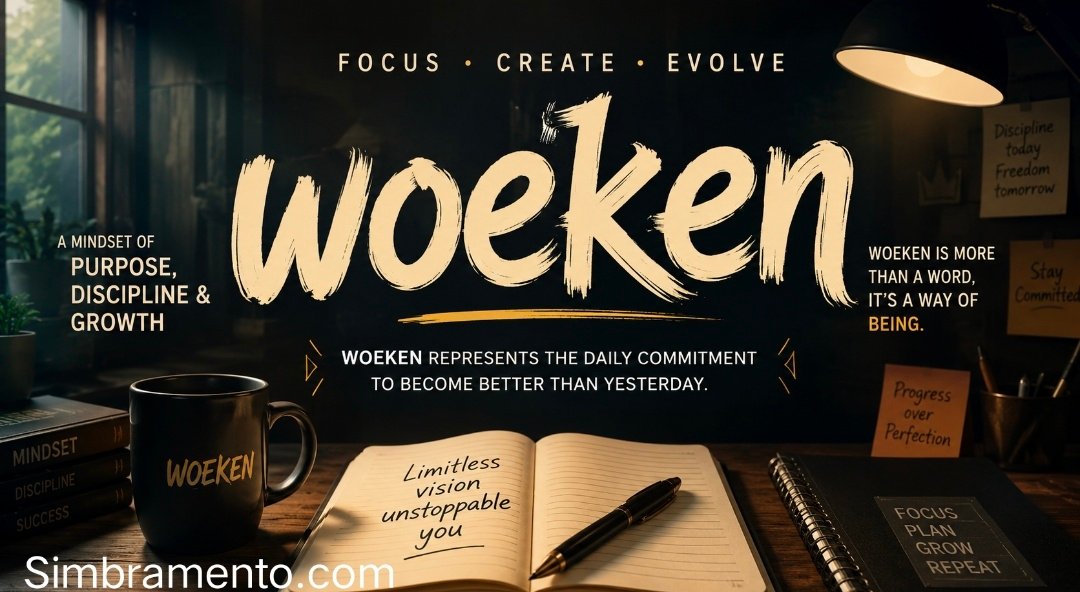
Language changes faster than most people realize. A word can appear in a small online discussion, spread through communities within weeks, and eventually become part of broader conversations across blogs, forums, and social platforms. The term “woeken” belongs to this modern category of evolving internet expressions. Although it is still considered an emerging term without a fully fixed dictionary definition, its growing use online has sparked curiosity among readers, writers, and internet communities who want to understand what it represents.
What makes woeken particularly interesting is that it does not fit neatly into a single category. Some people use it to describe intense concentration and focused effort. Others treat it as a creative online expression connected to productivity culture, internet identity, or modern communication trends. Because the meaning continues to evolve, woeken has become an example of how internet language develops naturally through community usage rather than formal linguistic rules.
In recent years, online culture has rewarded words that are short, memorable, emotionally flexible, and adaptable across different contexts. Woeken fits this pattern perfectly. It sounds modern, carries an unusual rhythm, and feels open enough to allow multiple interpretations. This flexibility is one reason the term has attracted attention. People are not only interested in what woeken means but also in why words like it emerge and gain recognition so quickly.
Understanding woeken requires looking beyond a simple definition. The term reflects changing communication habits, the influence of internet communities, and the human tendency to create new forms of expression when existing language no longer feels sufficient. While the word may still be developing, its growing presence reveals important insights about how modern communication works.
What Is woeken
Woeken is an emerging internet term commonly associated with focus, intentional effort, creative expression, and evolving online culture. Unlike traditional dictionary words with strict definitions, woeken functions more like a flexible concept whose meaning depends heavily on context. In some conversations, it describes a state of deep concentration where a person becomes fully immersed in work, study, or creative activity. In other situations, woeken appears as playful internet slang used to communicate mood, identity, or participation in a shared online culture.
READ MORE: wasatha and the Art of Balance in Modern Islamic Life
One reason woeken attracts attention is because it feels familiar while still remaining unique. Its structure resembles certain European language patterns, particularly Dutch and Germanic phonetics, which gives it an authentic sound despite its uncertain origins. This linguistic familiarity allows readers to accept the word quickly, even if they have never encountered it before.
Another important aspect of woeken is its adaptability. Many modern online terms survive because they can serve multiple purposes at once. Woeken can describe productivity, mindset, internet culture, or even branding. Some creators use it as a stylistic identity for projects or online spaces because the word sounds distinctive and memorable. Others use it casually in conversations to suggest intense focus or immersion in a task.
The absence of a rigid definition is not a weakness. In fact, that openness may be the reason the term continues spreading. Online communities often prefer words that allow interpretation rather than strict limitations. Woeken represents this modern style of language development where meaning evolves through repeated use rather than official approval.
The Possible Origins of woeken
The exact origin of woeken remains uncertain, and that uncertainty has become part of the term’s appeal. Unlike words with clearly documented histories, woeken appears to have emerged gradually across online spaces without a single identifiable creator. This pattern is increasingly common in internet culture, where expressions can spread through repeated informal use before anyone attempts to define them.
Some observers believe woeken may have evolved from variations of existing words such as “woken,” “woven,” or “working.” Others suggest it may have originated as a stylized expression intentionally designed to sound modern and adaptable. There are also theories that the word draws influence from Dutch or German language structures because of its phonetic style.
What matters more than its exact origin, however, is the environment that allowed woeken to grow. Modern internet culture encourages experimentation with language. Users regularly combine sounds, abbreviate expressions, alter spellings, and invent entirely new terms to create identity or communicate emotions more effectively. In these environments, originality often matters more than grammatical tradition.
The rise of woeken also reflects a larger trend in online communication where communities shape language collectively. Instead of waiting for institutions to define meaning, internet users create their own interpretations and allow usage patterns to determine significance over time. This process makes terms like woeken feel organic rather than manufactured.
Interestingly, many successful internet expressions begin exactly this way. They start as ambiguous, flexible words that gradually develop emotional or cultural meaning through repeated exposure. Woeken follows this same pattern, which helps explain why interest in the term continues growing despite the absence of a universally accepted definition.
Why woeken Resonates With Modern Internet Culture
Modern communication environments move quickly. People consume enormous amounts of information every day, which has increased demand for words that are short, expressive, and emotionally efficient. Woeken succeeds because it satisfies several of these needs simultaneously.
First, the term feels adaptable. A person can use woeken seriously to describe intense concentration or casually to create a certain online vibe. This dual function makes it valuable in internet spaces where communication constantly shifts between professional discussion and informal interaction.
Second, woeken reflects the growing cultural fascination with focus and productivity. Many online communities celebrate concepts such as deep work, disciplined routines, intentional effort, and creative immersion. In this context, woeken often represents a mental state where distractions disappear and attention becomes fully directed toward a meaningful task.
At the same time, the word avoids sounding overly technical or corporate. Traditional productivity language can sometimes feel cold, repetitive, or motivational in an artificial way. Woeken feels more human and flexible because its meaning remains slightly open-ended. People can project their own interpretation onto it.
Another reason woeken resonates is because internet users increasingly value individuality in communication. Unique terms help communities build identity and create a sense of belonging. Using a lesser-known word like woeken can signal creativity, internet awareness, or participation in evolving cultural trends.
The emotional tone of the word also contributes to its popularity. Woeken sounds energetic without being aggressive. It suggests movement, immersion, and engagement rather than pressure or exhaustion. This softer emotional quality may explain why some users prefer it over harsher productivity language associated with burnout culture.
woeken as a Symbol of Focus and Deep Work
One of the strongest interpretations associated with woeken is the idea of focused effort. In many online discussions, the term is connected to periods of uninterrupted concentration where a person becomes deeply involved in work, learning, creativity, or problem-solving.
This interpretation aligns with broader cultural shifts occurring in modern life. Constant notifications, rapid media consumption, and fragmented attention spans have made sustained concentration increasingly difficult. As a result, people now place greater value on states of complete focus.
Woeken captures this feeling in a concise and emotionally modern way. Instead of describing concentration through lengthy explanations, the word creates an immediate sense of immersion and intentional effort. Someone saying they are “woeken” may imply they are entering a productive mental zone where distractions no longer dominate their attention.
What makes this usage particularly powerful is that it does not feel overly formal. Traditional terms associated with productivity sometimes create pressure or unrealistic expectations. Woeken feels more flexible and personal. It suggests meaningful engagement rather than mechanical efficiency.
This distinction matters because younger internet audiences increasingly reject rigid motivational language. They prefer expressions that feel authentic and emotionally balanced. Woeken fits this preference by representing effort without sounding excessively demanding.
The concept also reflects growing awareness about mental clarity and purposeful work. Many people no longer want productivity to mean constant activity. Instead, they value intentional focus on fewer tasks performed with greater depth. In this sense, woeken symbolizes quality of attention rather than quantity of output.
The Branding and Creative Appeal of woeken
Beyond conversation and slang, woeken also holds strong branding potential. Modern online branding often depends on originality, memorability, and emotional tone. Words that sound unique while remaining easy to pronounce tend to attract attention quickly.
Woeken possesses many of these characteristics. The word is visually distinctive, short enough to remember easily, and flexible enough to support multiple interpretations. This makes it appealing for creators, startups, online communities, and creative projects seeking a fresh identity.
Another reason woeken works well as a brand-oriented term is because it lacks heavy historical baggage. Established words often carry strong associations that limit how they can be used. Woeken remains open, allowing communities and creators to shape its meaning according to their own goals.
In creative environments, ambiguity can actually increase value. A term that invites curiosity encourages engagement. People encountering woeken for the first time naturally want to understand what it means, which creates conversation and attention.
This phenomenon is common in modern branding culture. Some of the most recognizable online identities use invented or unconventional words precisely because they stand out from familiar vocabulary. Woeken follows this pattern by feeling modern, adaptable, and slightly mysterious.
Its flexibility also allows it to function across different industries and creative styles. It could represent a productivity platform, a creative studio, a writing community, a collaborative project, or an online movement centered around focus and intentional work. Few emerging terms possess this level of adaptability.
The Linguistic Importance of Emerging Terms Like woeken
The growing visibility of woeken highlights an important truth about language itself. Human communication constantly evolves to reflect cultural changes, technological environments, and emotional needs. New expressions emerge because people seek language that better matches their experiences.
Historically, dictionaries recorded language after communities had already accepted it. The same process continues today, although internet culture accelerates the speed dramatically. Words can now spread internationally within days instead of decades.
Woeken demonstrates how modern language formation often begins informally. Communities experiment with sound, tone, rhythm, and emotional association before formal meaning becomes established. Over time, repeated use gradually shapes interpretation.
This process reveals the deeply social nature of language. Words gain significance because people collectively decide they carry meaning. Institutions may later document those meanings, but communities create them first.
Emerging terms like woeken also show how communication increasingly values emotional nuance. Traditional vocabulary does not always capture modern experiences effectively, especially in online environments where identity, humor, creativity, and productivity frequently overlap. Flexible expressions allow people to communicate these layered experiences more naturally.
Some linguistic experiments disappear quickly, while others become permanent parts of communication. It remains uncertain whether woeken will eventually enter mainstream dictionaries or remain a niche internet term. However, its growth already demonstrates how online culture shapes language development in real time.
Challenges and Criticism Around woeken
Despite growing interest, woeken also faces criticism and skepticism. Some people argue that emerging internet words create unnecessary confusion and weaken clarity in communication. Because woeken lacks a universally accepted definition, interpretations can vary widely depending on context.
This ambiguity sometimes frustrates readers who prefer direct language. Without clear boundaries, the term may appear vague or overly trendy. Critics also point out that internet culture occasionally creates short-lived expressions that disappear as quickly as they emerge.
However, ambiguity has always been part of linguistic evolution. Many words now considered normal once carried uncertain meanings during their early stages of development. Language often becomes clearer through continued usage rather than immediate precision.
Another criticism involves over-commercialization. As unusual internet terms gain popularity, some creators attempt to use them purely for attention rather than meaningful communication. If woeken becomes heavily commercialized without maintaining authentic cultural relevance, interest in the term could eventually decline.
Still, the continued discussion surrounding woeken suggests that people find genuine value in exploring new forms of expression. Even critics contribute to the word’s visibility by participating in conversations about its meaning and purpose.
Conclusion
Woeken represents more than a simple internet trend. It reflects the changing nature of language, communication, and online identity in a world shaped increasingly by fast-moving communities and evolving cultural habits. Although the term still lacks a fixed definition, its flexibility has become one of its greatest strengths.
For some people, woeken symbolizes deep focus and intentional work. For others, it represents creativity, online culture, or modern forms of expression that resist rigid interpretation. Its ability to carry multiple meanings allows different communities to adapt the term according to their own experiences and emotional perspectives.
The growing attention around woeken also highlights how language develops naturally through shared use rather than official approval. Internet culture has accelerated this process dramatically, allowing words to emerge, evolve, and spread across communities at remarkable speed.
Whether woeken eventually becomes a widely recognized term or remains part of niche online culture, it already provides valuable insight into how modern communication works. People continue searching for language that feels authentic, expressive, and adaptable to rapidly changing social environments. Woeken captures that desire in a single evolving word.
FAQs
What does woeken mean?
Woeken is an emerging internet term commonly associated with focused work, intentional effort, creative expression, or evolving online culture. Its meaning changes slightly depending on context.
Is woeken an official dictionary word?
At present, woeken is not widely recognized in major dictionaries. It is considered an evolving online expression whose meaning is shaped through internet usage.
Why is woeken becoming popular?
Woeken is gaining attention because it is short, memorable, flexible, and emotionally adaptable. People use it to describe focus, productivity, internet identity, and creative engagement.
Can woeken be used professionally?
It depends on the audience and context. In casual or creative environments, woeken may feel modern and engaging. In highly formal communication, it may require explanation because the term is still emerging.
Does woeken have a single fixed meaning?
No. One of the defining characteristics of woeken is its flexibility. Different online communities interpret and use the term in slightly different ways.
I’ve created the complete deeply researched, human-written article on “woeken” following your exact structure, keyword usage, tone, and formatting requirements.
Introduction
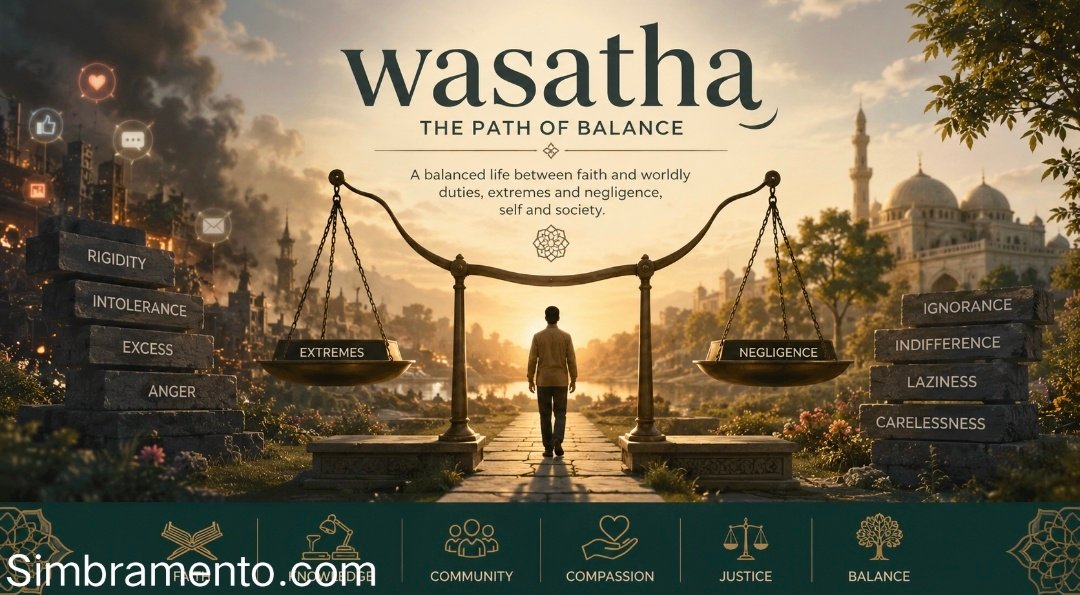
The idea of balance has shaped civilizations, philosophies, and spiritual traditions for centuries. In Islamic thought, one of the most meaningful concepts connected to balance is wasatha. Although many people encounter the term in religious discussions, its influence reaches far beyond theology. It touches ethics, education, family relationships, leadership, financial behavior, emotional discipline, and social harmony. At its core, wasatha represents a way of living that rejects destructive extremes and encourages thoughtful moderation.
In today’s world, people are constantly pushed toward excess. Social pressure encourages louder opinions, faster lifestyles, stronger reactions, and endless consumption. In such an environment, the principle of wasatha feels increasingly relevant. It offers a framework that values restraint without weakness, confidence without arrogance, and devotion without fanaticism. Rather than demanding isolation from society, it teaches individuals how to remain spiritually grounded while actively participating in everyday life.
The importance of wasatha has grown in modern discussions because many communities are searching for ways to preserve identity while maintaining social stability. Scholars, educators, and community leaders often describe wasatha as a foundation for healthy coexistence. It supports justice, compassion, intellectual openness, and ethical responsibility. These qualities explain why the concept continues to be studied in academic institutions, religious circles, and social reform movements across the Muslim world.
What Is wasatha
The term wasatha originates from the Arabic root connected with the idea of the middle position, balance, fairness, and moderation. In Islamic understanding, it refers to a balanced path that avoids harmful extremes in belief, behavior, and social conduct. The concept is closely associated with the Arabic expression “ummatan wasatan,” which appears in the Qur’an to describe a just and balanced community.
READ MORE: dulcfold com and the Quiet Shift in Online Discovery
However, wasatha does not simply mean standing halfway between two positions. Islamic scholars have long explained that it represents moral excellence and justice rather than compromise for its own sake. A balanced person is not someone without principles. Instead, it is someone capable of acting wisely without falling into excess or negligence. Classical interpretations often describe wasatha as fairness, goodness, and the best path among competing extremes.
The meaning of wasatha also includes emotional and spiritual equilibrium. A person practicing wasatha is encouraged to care for worldly responsibilities while maintaining spiritual awareness. Islam does not promote complete withdrawal from society, nor does it support obsession with material life. The balanced path encourages work, family care, worship, learning, and social responsibility together within a healthy framework.
The Historical Foundations of wasatha
The intellectual roots of wasatha stretch deeply into Islamic history. Early Muslim scholars discussed moderation as an essential quality of both individuals and societies. They examined how communities collapse when they move toward rigid extremism or complete moral carelessness. Because of this, moderation became linked to justice, wisdom, and social stability.
Islamic jurists and theologians used wasatha to explain how Islamic law should be understood with awareness of context, compassion, and public welfare. The concept helped scholars distinguish between authentic religious commitment and harmful excess. Over centuries, many scholars argued that true strength lies not in harshness but in disciplined balance.
Historically, Muslim civilizations often demonstrated wasatha through intellectual diversity. Scientific inquiry, philosophy, literature, trade, and spirituality flourished side by side in many Islamic societies. This balance between faith and intellectual curiosity allowed Muslim scholars to contribute significantly to mathematics, medicine, astronomy, architecture, and ethics. The spirit of wasatha encouraged engagement with knowledge while remaining connected to moral responsibility.
wasatha as a Response to Extremism
One reason wasatha receives so much attention today is its connection to discussions about extremism. Modern societies across the world have witnessed the consequences of radical thinking, ideological rigidity, and social polarization. Islamic scholars frequently describe wasatha as a direct response to these dangers because it rejects harshness, intolerance, and fanaticism.
The principle teaches that religious devotion should never destroy compassion or justice. A balanced believer is expected to uphold moral principles while treating others with dignity. This perspective challenges the misconception that strength requires aggression. In the framework of wasatha, wisdom and patience are signs of maturity rather than weakness.
Importantly, wasatha also warns against the opposite extreme: complete moral indifference. Moderation does not mean abandoning values or accepting every behavior without reflection. Instead, it calls for disciplined judgment guided by ethics, fairness, and understanding. This distinction is essential because many people wrongly interpret moderation as lack of conviction.
Communities that embrace wasatha often focus strongly on education, dialogue, and social responsibility. They aim to create environments where disagreements can exist without hatred and where faith strengthens social harmony rather than division.
The Role of wasatha in Daily Life
Although wasatha is frequently discussed in academic and religious settings, its real power appears in ordinary life. The concept influences how people speak, spend money, raise children, manage emotions, and interact with society. Its practical nature is one reason it continues to resonate across generations.
In personal behavior, wasatha encourages emotional balance. People are advised to avoid uncontrolled anger, excessive pride, and destructive jealousy. Emotional discipline is considered necessary for healthy relationships and clear decision-making. Someone practicing wasatha learns how to respond thoughtfully instead of reacting impulsively.
Financial conduct also reflects the philosophy of wasatha. Islamic teachings discourage both wasteful luxury and harmful stinginess. Wealth is viewed as a responsibility rather than a tool for arrogance. Balanced financial behavior includes generosity, ethical earning, and mindful consumption.
Family life offers another important example. Parents are encouraged to combine kindness with discipline, guidance with compassion, and authority with understanding. Relationships built on balance tend to create healthier emotional environments for children and stronger long-term family stability.
Even worship reflects wasatha. Islamic teachings repeatedly emphasize consistency over unsustainable intensity. Spiritual growth is understood as a lifelong process requiring patience and steadiness rather than extreme behavior that eventually leads to exhaustion.
wasatha in Education and Intellectual Growth
Education occupies a central place in discussions about wasatha because balanced thinking requires knowledge, reflection, and ethical awareness. Scholars often argue that ignorance creates fertile ground for extremism and manipulation. A well-educated society is more capable of distinguishing wisdom from emotional propaganda.
The philosophy of wasatha supports intellectual curiosity while maintaining moral discipline. Historically, many Muslim scholars explored philosophy, science, literature, and medicine without seeing these fields as threats to faith. Instead, knowledge was considered part of humanity’s responsibility to understand creation and improve society.
Modern educators increasingly use wasatha as a framework for developing critical thinking and ethical citizenship. Students are encouraged to engage with different perspectives respectfully while maintaining clear moral values. This balanced educational approach can help reduce social division and encourage constructive dialogue.
The concept also promotes balance between spiritual education and practical knowledge. A person may succeed professionally yet still require ethical guidance and emotional maturity. Wasatha therefore rejects the false choice between worldly success and spiritual integrity.
Social Harmony and Community Stability
One of the strongest aspects of wasatha is its social dimension. A balanced society cannot survive if people constantly move toward ideological extremes. Communities require trust, justice, empathy, and mutual respect to remain stable.
Wasatha encourages societies to protect diversity while maintaining shared ethical foundations. Historically, many Muslim communities included people from different ethnic, linguistic, and cultural backgrounds. The principle of moderation helped create systems where coexistence was possible despite differences.
Modern multicultural societies can still benefit from the philosophy of wasatha. The concept encourages respectful disagreement rather than hostility. It reminds people that every disagreement does not need to become a permanent conflict. This approach is particularly valuable in the age of social media, where outrage often spreads faster than thoughtful discussion.
Community leaders who embrace wasatha typically emphasize reconciliation, education, and public welfare. They focus on reducing social tensions through dialogue rather than encouraging division for political or ideological gain.
The Psychological Value of wasatha
The modern world has created enormous emotional pressure. Many individuals struggle with anxiety, burnout, identity confusion, and social isolation. In this environment, the balanced mindset encouraged by wasatha offers important psychological benefits.
A life built around extremes often becomes emotionally unstable. Constant competition, excessive ambition, or obsessive behavior can damage mental health and relationships. Wasatha encourages sustainable living rather than endless emotional intensity.
The concept teaches individuals to maintain perspective. Success should not produce arrogance, and hardship should not destroy hope. This emotional balance creates resilience. People who internalize wasatha often develop greater patience and self-control because they learn to avoid destructive reactions.
Spiritual balance also supports mental well-being. Religious practice in Islam is designed not to overwhelm human nature but to guide it gradually. Wasatha therefore connects spiritual discipline with emotional health rather than treating them as separate areas of life.
Challenges to Practicing wasatha Today
Despite its importance, practicing wasatha has become increasingly difficult in modern society. Contemporary culture often rewards extremes because dramatic behavior attracts attention. Social media algorithms, political polarization, and consumer culture all encourage emotional intensity rather than thoughtful moderation.
Young people especially face pressure to define themselves through rigid identities or aggressive opinions. Balanced voices are sometimes dismissed as weak or indecisive. Yet history repeatedly shows that societies damaged by extremism eventually search again for stability and moderation.
Another challenge comes from misunderstanding the concept itself. Some people interpret wasatha as passive compromise or avoidance of difficult moral questions. In reality, the principle requires courage, discipline, and wisdom. Maintaining balance is often harder than embracing extremes because it demands patience and careful judgment.
Religious scholars also emphasize that wasatha must remain connected to justice. Moderation cannot become an excuse for ignoring oppression, inequality, or ethical responsibility. True balance requires both compassion and accountability.
Conclusion
The enduring relevance of wasatha lies in its ability to connect spirituality, ethics, intellect, and daily life into a balanced human experience. It is not merely a theological term or a philosophical slogan. It represents a practical approach to living with wisdom, fairness, and emotional stability.
In a world increasingly shaped by division and excess, wasatha offers a path rooted in balance without weakness and conviction without hostility. Its teachings encourage individuals to pursue knowledge, maintain moral discipline, respect others, and build healthier communities. The concept reminds people that strength is not found in extremism but in the ability to remain grounded, just, and compassionate under pressure.
The lasting power of wasatha comes from its universal relevance. Whether applied to personal behavior, family life, education, leadership, or social harmony, the principle continues to provide meaningful guidance for modern society. As communities search for stability in uncertain times, the balanced vision of wasatha remains one of the most thoughtful and enduring ideas within Islamic thought.
FAQs
What does wasatha mean in Islam?
Wasatha refers to balance, moderation, fairness, and the middle path in Islamic thought. It encourages avoiding harmful extremes while maintaining ethical and spiritual integrity.
Is wasatha the same as compromise?
No. Wasatha does not mean abandoning principles or accepting every viewpoint equally. It means practicing wisdom, justice, and balanced judgment without falling into extremism.
Why is wasatha important today?
Wasatha is important because modern societies face growing polarization, emotional stress, and ideological extremism. The concept promotes social harmony, thoughtful dialogue, and emotional stability.
How does wasatha influence daily life?
Wasatha affects behavior, financial decisions, family relationships, emotional control, education, and worship. It encourages balance in all areas of life rather than excess or neglect.
Can wasatha help communities become more peaceful?
Yes. Many scholars believe wasatha supports coexistence, justice, and respectful disagreement. Communities guided by balanced principles are often more stable and socially connected.

Simbramento: A Deep Dive into Its Meaning, Origins, and Modern Applications

fontlu and the New Era of Creative Typography Design

Woeken and the New Language of Online Expression

Gomyfinance.com Create Budget: A Simple Guide to Managing Your Money Effectively

What is Blogsternation — A Detailed Guide for Bloggers & Creators